
Vietnam continues to stand out as one of Southeast Asia’s most dynamic consumer markets. Its expanding economy, growing middle class and changing lifestyles are driving demand for a wider variety of food products, from everyday cooking ingredients to snacks, baked goods and meals prepared outside the home. These developments are particularly relevant to palm oil, which remains an important ingredient in Vietnam’s food industry and a major component of its oils and fats imports.
A Fast-Growing Market with Strong Import Dependence
In 2025, Vietnam’s economy expanded by 8.02%, with GDP reaching approximately USD514.7 billion. The country also has a population of 101.6 million, providing a sizeable consumer base for food manufacturers and retailers. While population growth was relatively modest at 0.6%, industrial expansion, rising incomes and urbanisation have continued to shape household spending and food consumption. For the food industry, these developments are driving greater demand for affordable, convenient and ready-to-eat products.
Vietnam’s domestic oils and fats production remains insufficient to meet its requirements. According to Oil World, the country consumed 1.7 million tonnes of oils and fats in 2025, compared with domestic production of 800,000 tonnes. Imports reached 1.27 million tonnes, equivalent to around 75% of domestic consumption on a gross-import basis. Palm oil accounted for approximately 1.04 million tonnes, or 61% of total oils and fats consumption, making it the most widely consumed oil in the country.
Palm oil has also remained the dominant imported oil over the past five years. Vietnam imported 1.09 million tonnes in 2025, broadly unchanged from 2024, following a peak of 1.17 million tonnes in 2023. Although competition from domestically produced soybean oil has increased, imported palm oil continues to meet a substantial share of the market’s requirements, particularly in food manufacturing and commercial cooking.
Imports of Oils and Fats into Vietnam, from 2022 to 2026F
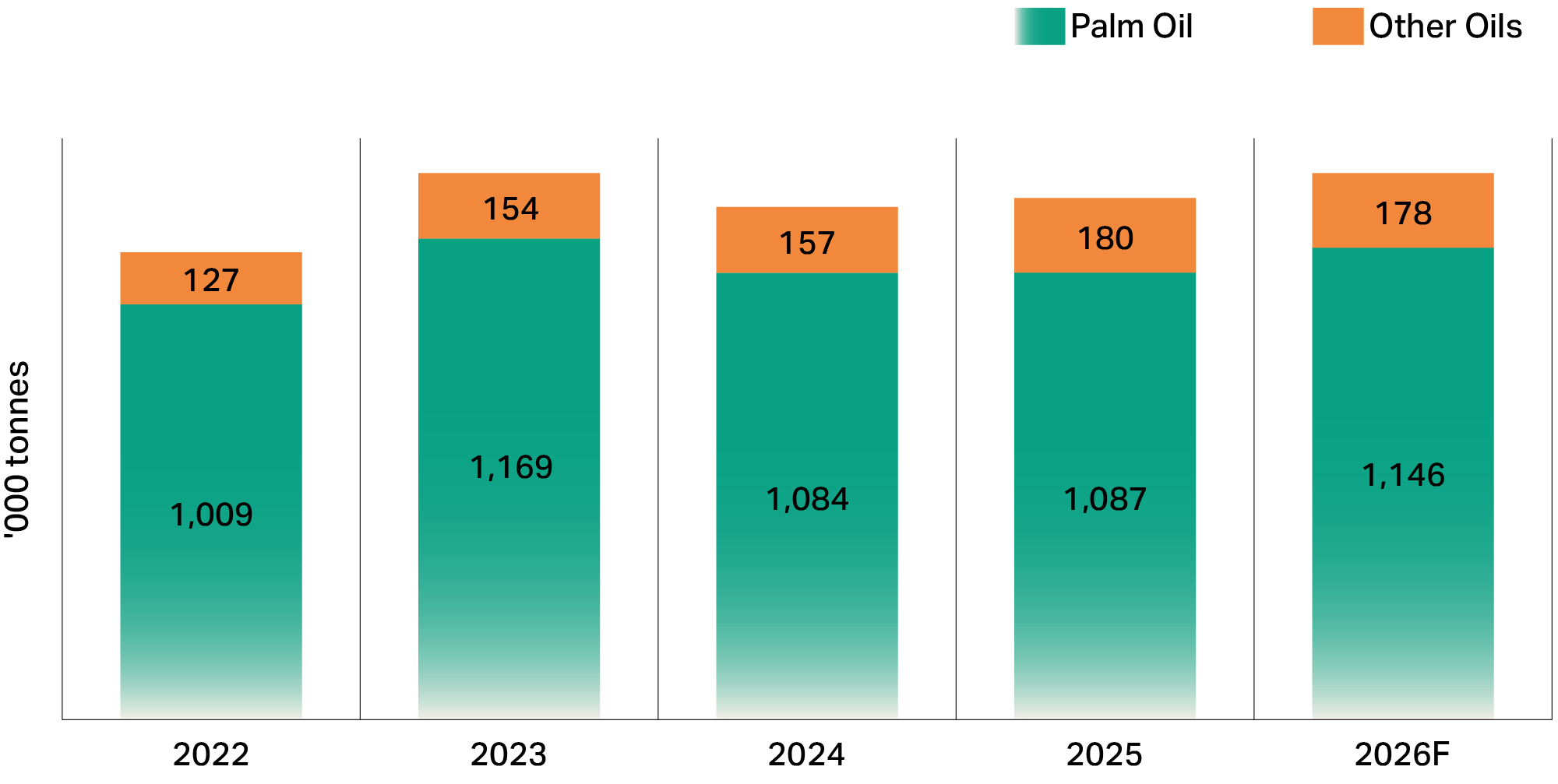
Figure 1: Imports of oils and fats into Vietnam, from 2022 to 2026F (Oil World, 2026).
Malaysian Exports Rebound Strongly in 2026
Vietnam remains an important market for Malaysia, and 2026 has seen a strong rebound in exports following a softer performance in 2025. Malaysian palm oil exports to Vietnam rose by 57.5% during January to October 2026 compared with the same period last year, marking the largest increase among Malaysia’s major Asia-Pacific markets. This recovery coincided with a 13.4% increase in Vietnam’s retail sales of goods and consumer services and a 14.5% rise in international visitor arrivals over the same period, providing a supportive environment for food manufacturing and foodservice demand.
Changing Lifestyles Drive Food Industry Growth
Vietnam’s food industry is being shaped by changing consumer preferences and a growing appetite for convenience. According to Euromonitor, the combined market value of selected food sectors in Vietnam reached approximately USD16.6 billion in 2025 and is forecast to increase to USD20.2 billion by 2030. Cooking ingredients and meals, staple foods, snacks, and dairy products and alternatives are all expected to contribute to this expansion. For palm oil, the greatest opportunities lie in food products that rely on edible oils and specialty fats in their manufacturing processes, particularly snacks, baked goods and foodservice.
Market Size of Food Sectors in Vietnam
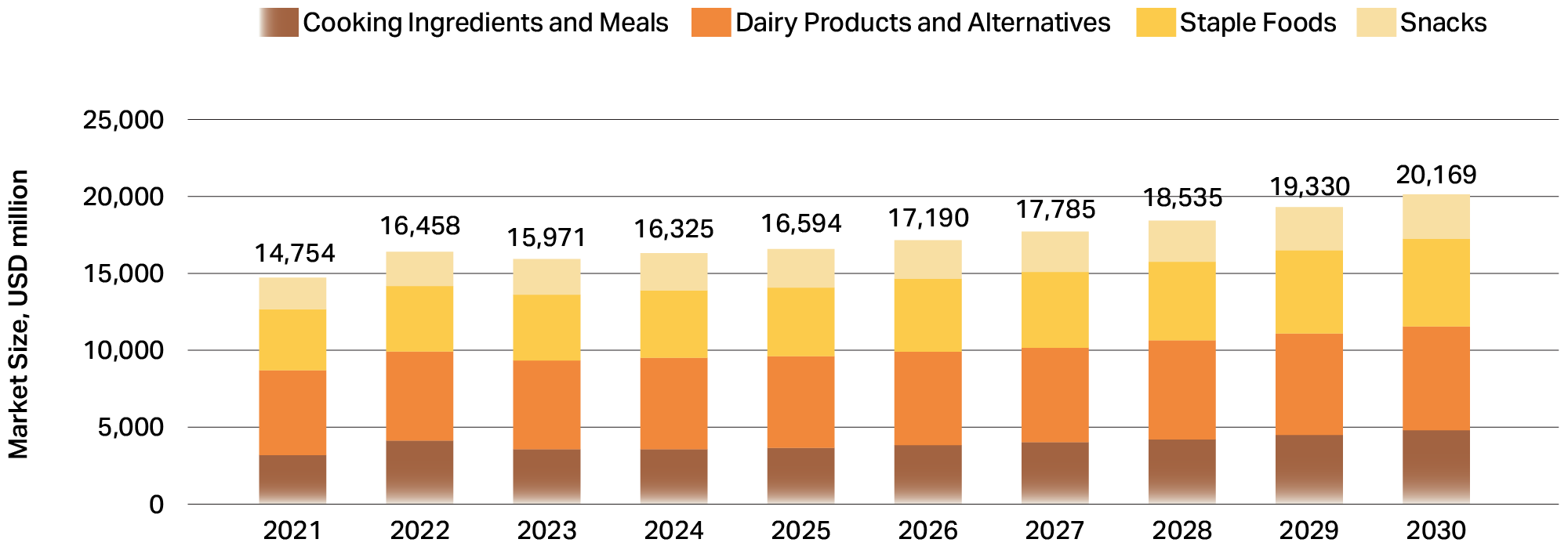
Figure 2: Market size of food sectors in Vietnam (Euromonitor, 2026).
Snacks and Confectionery: Rising Demand for Frying Oils and Specialty Fats
Snacks are among the categories expected to benefit most from changing consumption patterns. The market is forecast to grow from USD2.55 billion in 2026 to USD2.93 billion by 2030. Savoury snacks account for the largest share, followed by confectionery and sweet biscuits, snack bars and fruit snacks, as well as ice cream. Palm olein is widely used in frying applications, while palm-based shortenings and specialty fats are used in biscuits, confectionery fillings and other products where texture and consistency are important. Continued growth in these categories creates opportunities for both conventional palm oil and more specialised Malaysian palm-based products.
Outlook of the Snacks Market in Vietnam
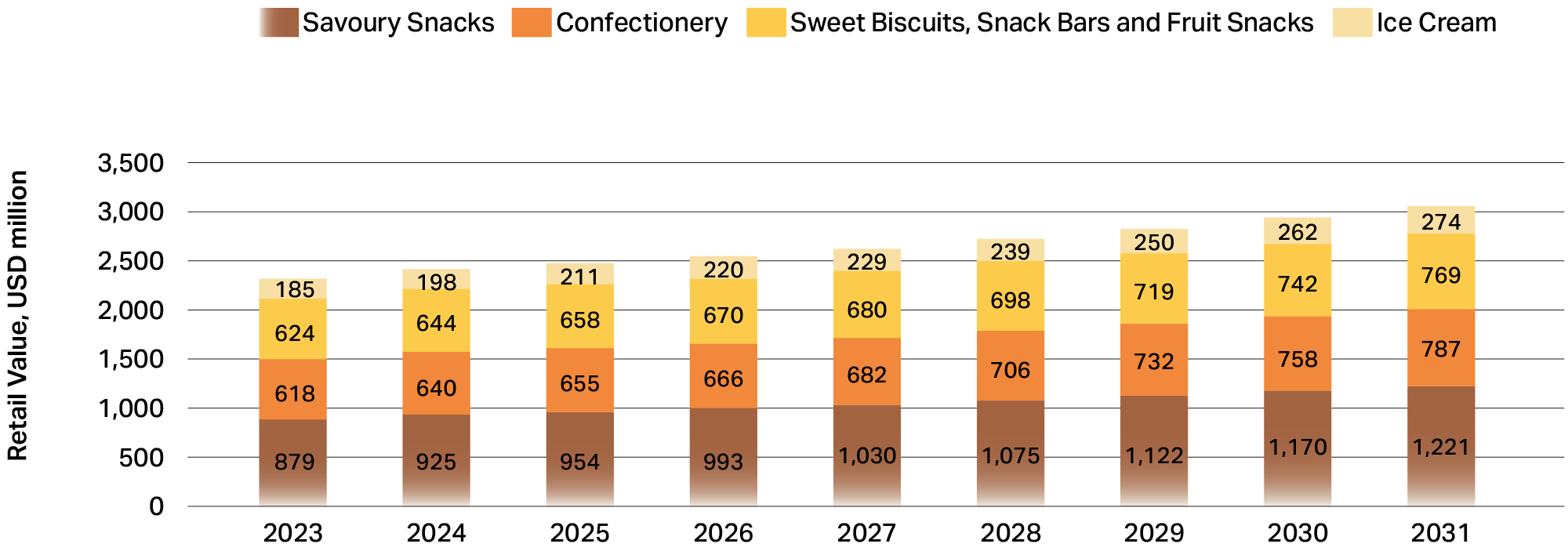
Figure 3: Outlook of the snacks market in Vietnam (Euromonitor, 2026).
Baked Goods: Moving Up the Value Chain
Vietnam’s baked goods industry is also expected to maintain positive growth. The combined retail value of cakes, bread and pastries is projected to rise from approximately USD1.29 billion in 2026 to USD1.58 billion by 2030, with cakes remaining the largest category. As bakeries and food manufacturers expand production, demand for margarine, shortening and bakery fats is expected to increase. Palm-based ingredients are well suited to these applications, providing the structure, texture and consistency required in finished products. This presents an opportunity for Malaysian suppliers to offer higher-value ingredients alongside traditional refined palm oil.
Outlook of the Baked Goods Market in Vietnam
Figure 4: Outlook of the baked goods market in Vietnam (Euromonitor, 2026).
Foodservice: A Growing Outlet for Frying Oils
Beyond packaged food, the foodservice sector represents another important market for palm oil. Vietnam’s consumer foodservice industry was valued at USD27.1 billion in 2025 and is forecast to reach USD31.0 billion by 2030. Restaurants, quick-service outlets, cafés, hotels and catering businesses are benefiting from higher consumer spending, tourism and growing demand for convenient meals. As these businesses expand, they will continue to require dependable supplies of cooking oil for their daily operations.
Palm olein is well suited to commercial frying due to its versatility, stability and competitive cost. It is used across a wide range of applications, from fried meals to snacks and other prepared foods. The sector’s expanding scale provides a favourable environment for Malaysian palm oil suppliers, particularly those able to offer consistent quality and reliable distribution.
Consumer Foodservice Sector in Vietnam
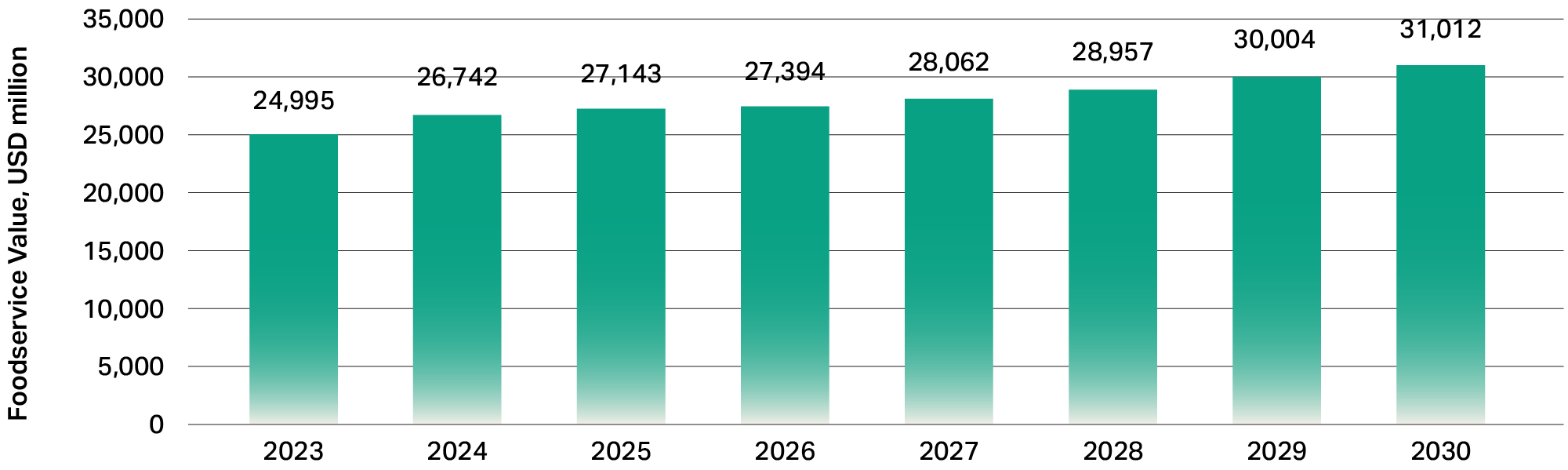
Figure 5: Consumer foodservice sector in Vietnam (Euromonitor, 2026).
Retail Edible Oils: Competitiveness Remains Key
Growth is also expected at the household level. Euromonitor forecasts the retail value of palm oil in Vietnam to increase from USD232 million in 2026 to approximately USD325 million by 2030. Palm oil will continue to face competition from soybean oil and other edible oils, making competitive pricing, product quality and dependable supply important factors for exporters seeking to expand their market share.
Outlook: Malaysia Well Positioned in Vietnam
Vietnam’s expanding food industry presents a positive outlook for palm oil and palm-based products. Continued growth in snacks, confectionery and baked goods, together with the expansion of foodservice, is expected to support demand for refined palm oil, palm olein, shortening, margarine and specialty fats. These products are valued for their versatility, functionality and cost competitiveness.
For Malaysia, these developments are particularly encouraging given its established position as one of Vietnam’s major palm oil suppliers. The strong rebound in exports during the first ten months of 2026 further underlines the market’s importance. As economic development, rising consumer spending and changing consumption patterns continue to reshape demand, Malaysian palm oil, supported by established supply capabilities and a wide range of downstream products, is well positioned to grow alongside Vietnam’s food industry.