
The Unsung Connector: A Malaysian Fresh Fruit Bunch Dealer’s Story

Eng Poh Wuu, third-generation owner of Eng Lee Heng Trading.
This is the second and final part of our coverage of Eng Lee Heng Trading.
As certification, traceability, and market access become increasingly important, Eng Lee Heng Trading shows how fresh fruit bunch dealers such as them can help smallholders move beyond daily trade and into more transparent, sustainable, and globally connected supply chains.
The Enabler and Gatekeeper
In 2018, Eng Lee Heng (ELH) Trading was introduced to Wild Asia by Kluang-based Sindora Mill, owned by Johor Plantations Group Berhad. Under a Wild Asia-dealer-mill partnership model, ELH works with Wild Asia Group Scheme (WAGS) to provide technical support to farmers to help them obtain global sustainability certification, and to channel the certified fresh fruit bunches to their mill partner.
“We encourage our farmers to pursue certification not only because they will receive price premiums for certified fresh fruit bunches (FFB), but also because it helps improve their farm management, reduce production costs, and boost yields,” says owner Eng Poh Wuu.
This partnership demonstrates how dealers like ELH can be enablers who bring more smallholders into the certified supply chain. They also serve as gatekeepers by facilitating traceability through the flow of certified crops and data from farmer to mill. And Wild Asia ensures this innovative model is credible and scalable.
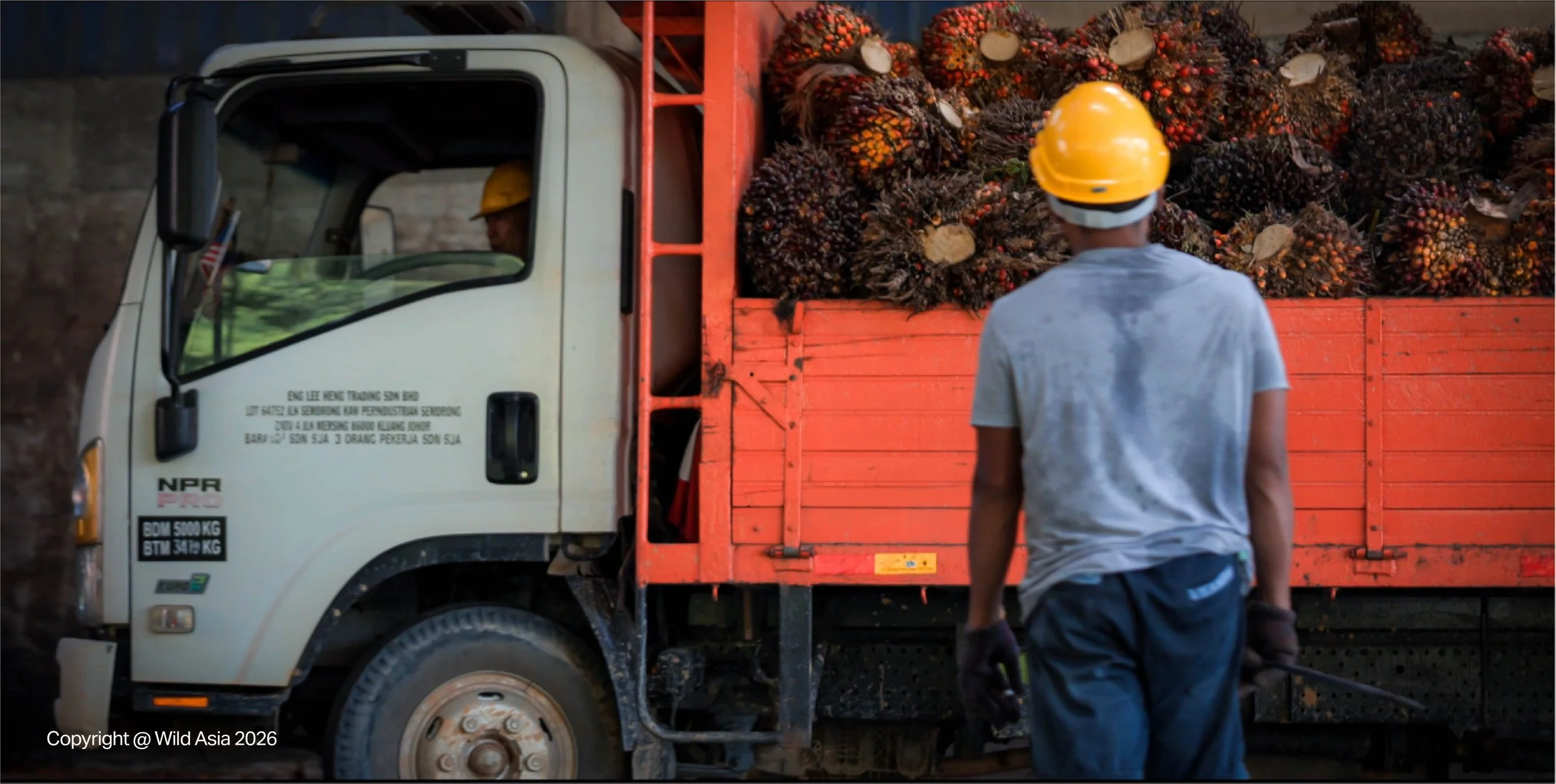
A lorry carrying fresh fruit bunches at ELH.
Traceability with Digital Technology
In November 2023, the Malaysian Palm Oil Board (MPOB) rolled out the Sawit Intelligent Management System (SIMS), a digital, web-based platform designed to digitise, monitor, and trace every transaction across Malaysia’s palm oil supply chain. From FFB suppliers and dealers to mills, processors, and exporters, SIMS enables seamless end-to-end traceability, ensuring compliance, transparency, and data-driven decision-making.
Through SIMS, smallholders can record details such as FFB prices, weights, grades, and dealer information, thereby empowering them to make informed decisions. FFB dealers, in turn, can log purchase and sales data, promoting transparency and accountability within the value chain. The platform also helps licensees (farmers, dealers, and mills) comply with MPOB’s licensing, reporting, and enforcement requirements via digital automation. From July 2024 onwards, the use of SIMS is mandatory for all stakeholders in the Malaysian palm oil supply chain. According to a report by MIDF Research (Amanah Investment Bank Berhad), by the end of 2024, around 87% of FFB dealers had registered with SIMS, but only 60% were using it consistently.
As one of the early adopters, ELH recognises SIMS’s potential but also the challenges that come with digital transition. Among the hurdles are time constraints: the need to update data frequently even during busy periods, and a complex interface that may present a steeper learning curve for users. The occasional system glitches and disruptions also affect data entry and storage. For their farmer suppliers, the barriers are unstable internet connectivity in rural areas and limited digital literacy, especially among older farmers.
“The system is good for streamlining our records and managing data more efficiently,” says Eng. “But we’re still learning and adapting.”
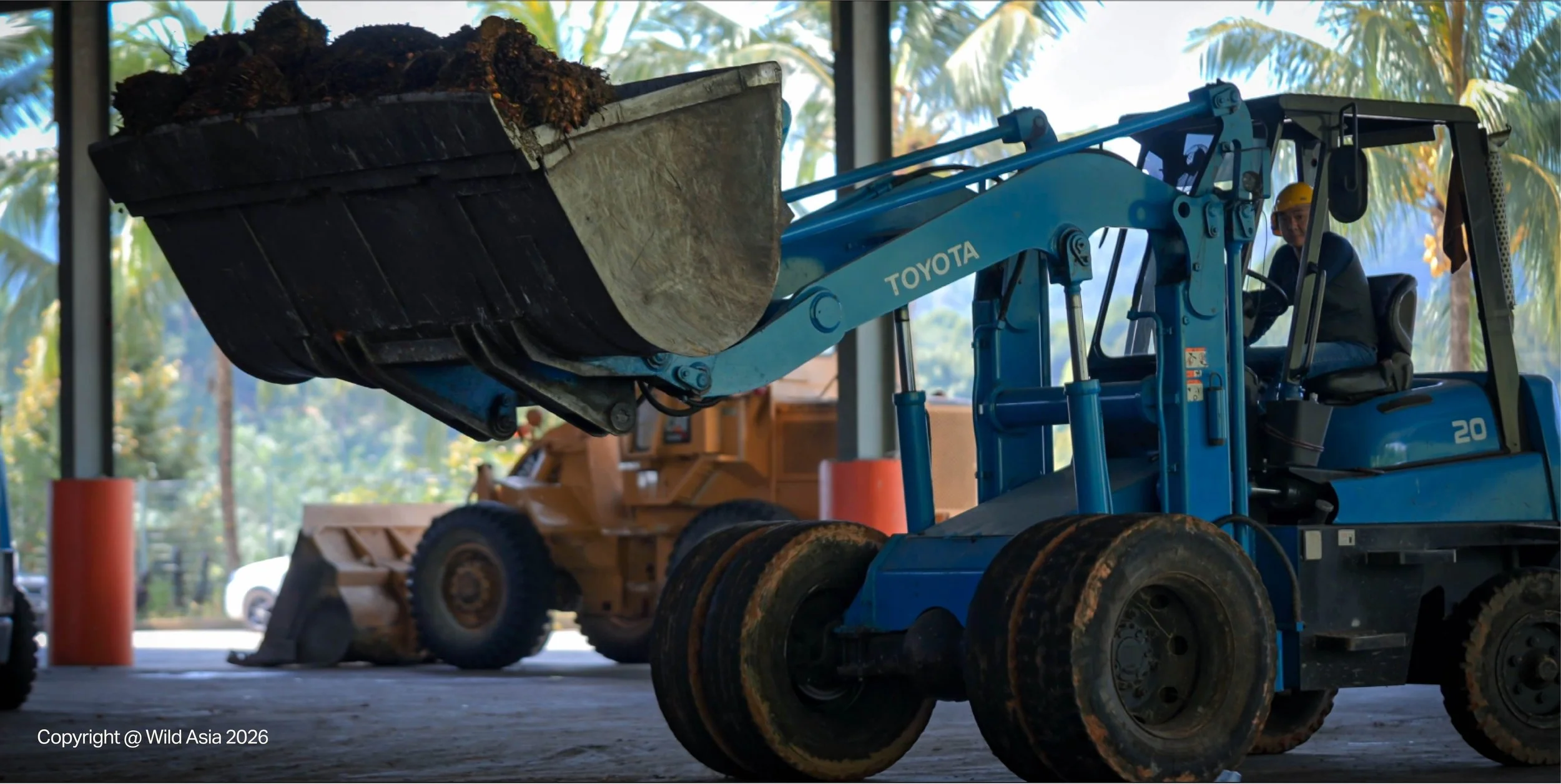
Fresh fruit bunches are unloaded as part of ELH’s daily operations.
Looking ahead
From January 2026, all dealers in Malaysia must obtain the Malaysian Sustainable Palm Oil (MSPO) certification to renew their MPOB licences. Under the updated MSPO 2.0 standards, every dealer must comply with the principles outlined in MSPO Part 4-3, which cover traceability documentation and adherence to legal, social, and environmental requirements. The certification ensures that dealers are fully committed to sustainable practices and transparent supply chains.
As part of the upgrade, MSPO introduced the e-MSPO platform, a centralised digital system that manages the entire certification process, from application and audits to approval and renewal. Traceability is the key feature of the system, which connects every stage of the oil palm supply chain, from crop production and processing to exporting. By ensuring end-to-end visibility, e-MSPO enhances transparency and accountability, helping Malaysia’s palm oil industry meet global sustainability benchmarks such as the European Union Deforestation Regulation (EUDR).
Some dealers have raised concerns about meeting the certification deadline, citing challenges such as tracing FFB purchased from smallholders who often lack consistent records—a process that can be time-consuming and resource-intensive. In addition, the financial and administrative costs of certification, audits, and documentation can be prohibitive for smaller dealers.
However, dealers such as ELH, who have already undergone the Roundtable on Sustainable Palm Oil (RSPO) certification process with their smallholder group, are better equipped to meet the MSPO requirements. Their prior experience with RSPO’s rigorous standards, documentation, and audit processes gives them a head start in knowing what is needed for compliance. Building on this foundation, ELH has already begun preparations for the MSPO certification process.
“The key is to lead by example,” says Eng. “We want to keep supporting and encouraging more farmers to meet national and global sustainability standards.”
For ELH, being a dealer is about more than simply moving harvests—it’s connecting people, ensuring palm oil nourishes families, and building trust across the supply chain.
Three generations on, ELH’s story demonstrates how trust, integrity, and dependable service can turn a dealer from a mere trader into the unsung connector of Malaysia’s palm oil value chain.
Watch the interview to hear directly from the partners and smallholders behind ELH’s journey.
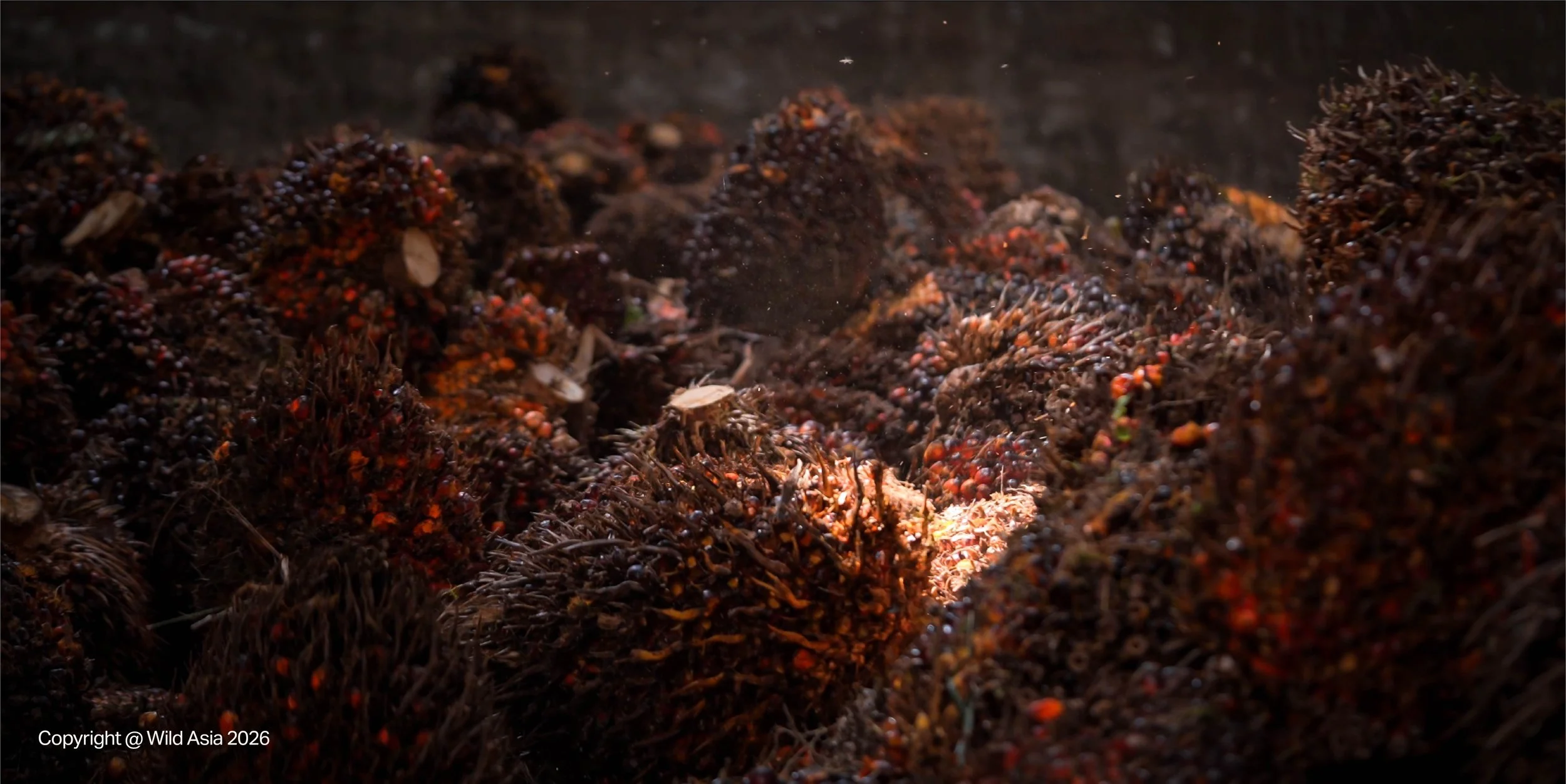
Fresh fruit bunches collected at ELH.
This article is part of Insight Features, a collaboration between Wild Asia and MPOC that explores how Malaysian oil palm producers are integrating nature-positive and regenerative farming practices to support the transition to net zero. Subscribe to PalmPulse for more stories in the series.