
The Unsung Connector: A Malaysian Oil Palm Dealer’s Story
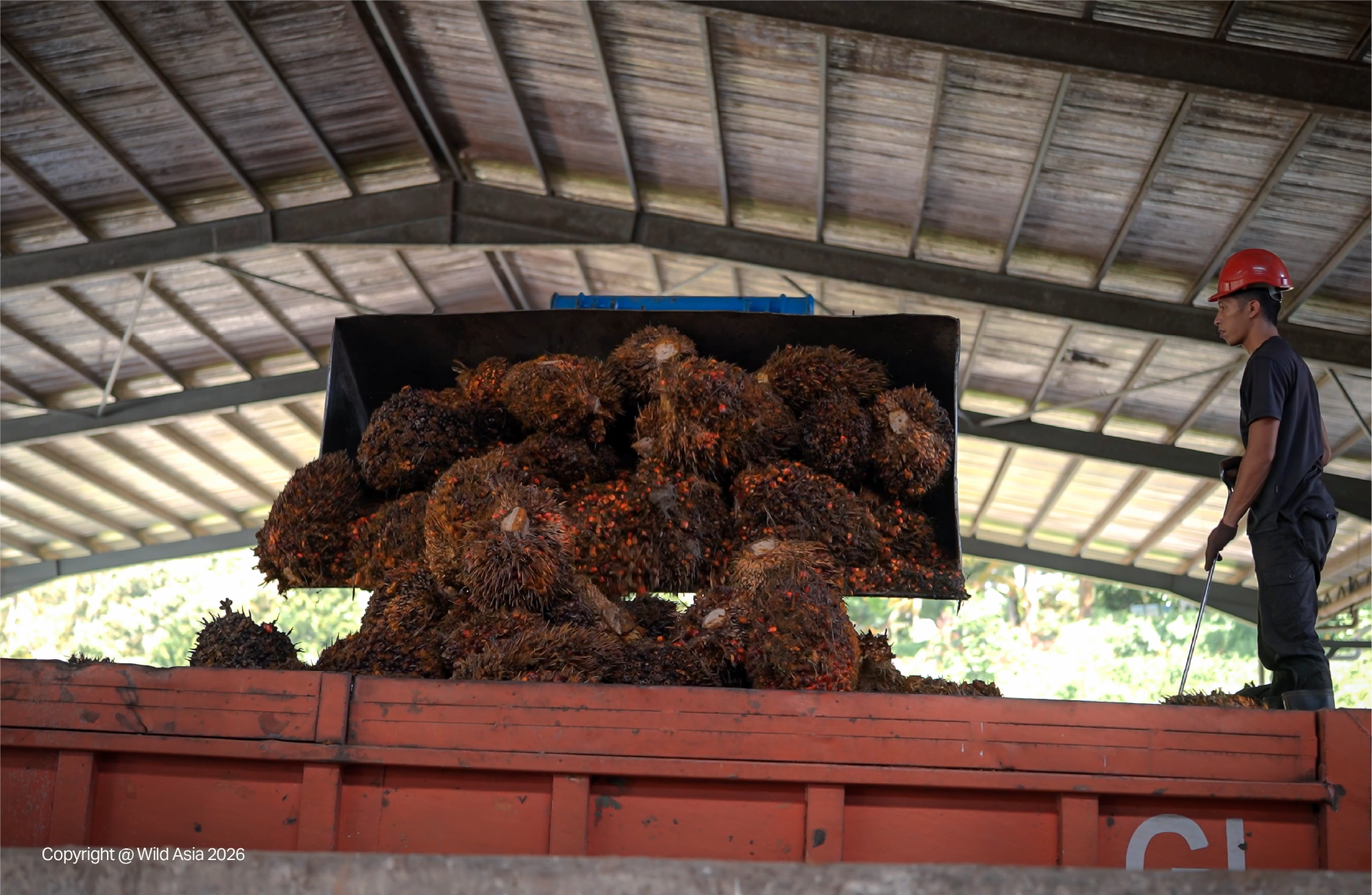
Fresh fruit bunches are unloaded at ELH’s depot, where each load is graded and weighed before being delivered to the mill.
This article is part of Insight Features, a collaboration between Wild Asia and MPOC that explores how Malaysian oil palm producers are integrating nature-positive and regenerative farming practices to support the transition to net zero. It highlights practical approaches that strengthen resilience and advance more sustainable production.
A third-generation fresh fruit bunch (FFB) dealer in Johor, Eng Lee Heng Trading shows how trust and traceability can help smallholders access mills, certification, and global markets strengthening the vital link between smallholders, plantations, and Malaysia’s palm oil supply chain.
We are chatting in ELH’s office, housed within a central depot equipped with covered bays, ramps, as well as a weighbridge for grading and weighing fruit bunches. The depot buzzes with activity as trucks roll in and offload fruit bunches, while workers steer forklifts and mini excavators, scooping up fruit bunches.
A family-run business, ELH exemplifies the indispensable FFB dealer in Malaysia’s oil palm supply chain. Founded as a rubber trading outfit in the 1980s, the company expanded to oil palm in 1995. Today, ELH is led by third-generation owner Eng Poh Wuu.
The Vital Connector
As intermediaries, dealers like ELH bridge the gap between independent smallholders and mills. They buy only MSPO- and Roundtable on Sustainable Palm Oil (RSPO)-certified FFB from multiple small-scale farmers and deliver a consistent, quality supply to mills. Every fruit bunch is traced via SIMS (Sawit Intelligence Management System), ensuring palm oil that is not only sustainable but also safe for daily cooking and rich in nutrients that support healthy living.
For smallholders in remote areas with poor road conditions or without transport, dealers are a godsend. They handle logistics and ensure the FFB reach the mill within 24 hours of harvest to preserve quality. Dealers generate profits through price margins, transport fees (farm to depot, ramp to mill) and service fees (use of the weighbridge).
In Malaysia, there are 3,569 FFB dealers registered and licensed under the Malaysian Palm Oil Board (MPOB), with nearly a third located in Johor (December 2023 figures, DOSM Interim Agriculture Census 2024 – Oil Palm). To stay competitive, dealers sell fertilisers as well as pesticides, extend credit, rent out lorries, and provide farm workers.
“ELH is your ultimate one-stop centre. Anything you need, they can provide!” adds Lee, who has known the Eng family since his grandfather’s time. “Even if you order just one or two bags of fertiliser, the boss himself will deliver if his workers are busy. More importantly, they always stress transparency and fair pricing.”
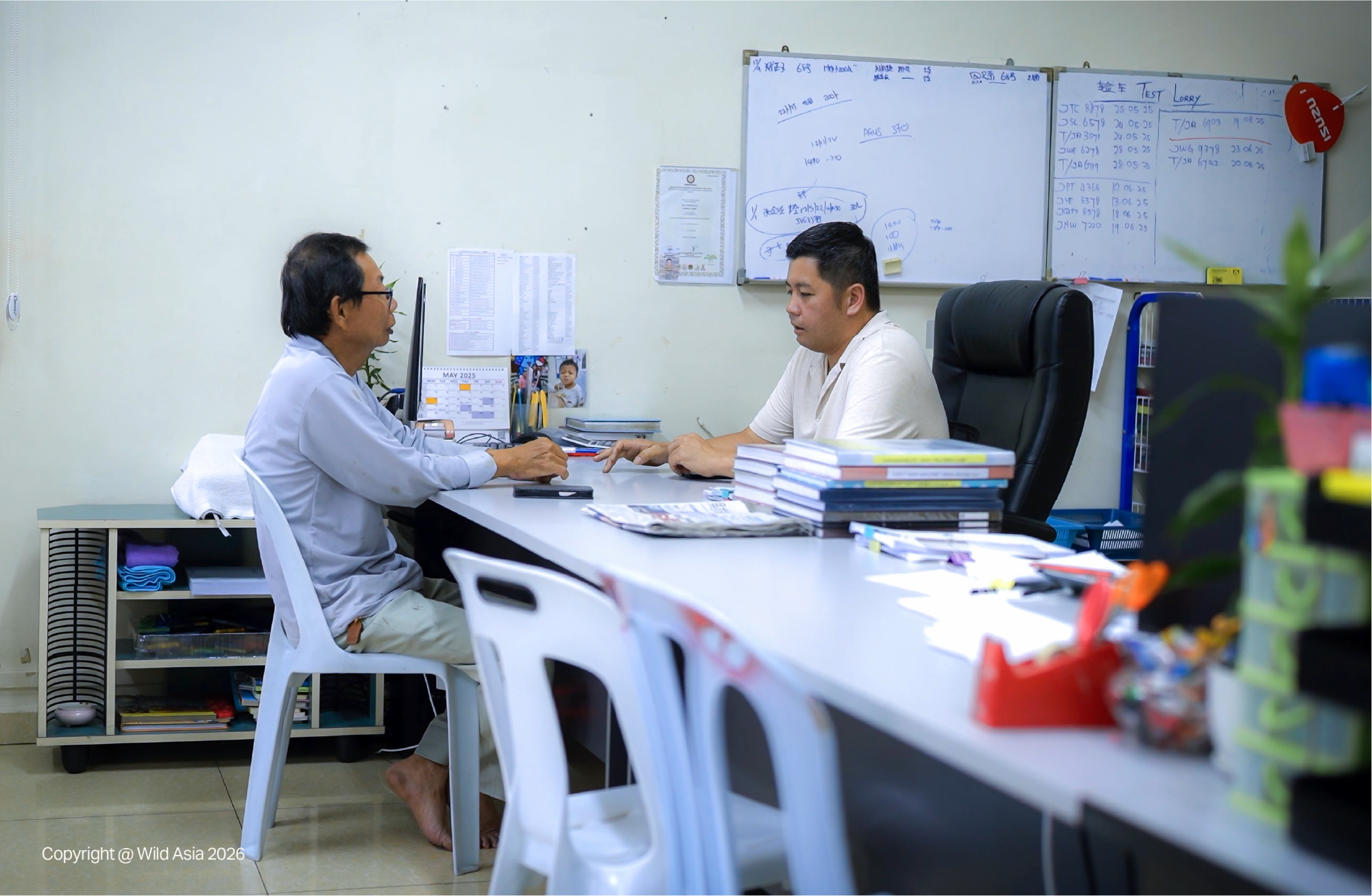
A smallholder discusses fresh fruit bunch trading and farm support at Eng Lee Heng Trading’s office in Kluang.
Built on Trust
ELH prides itself on these core values, giving them an edge over their competitors. Dealers in Malaysia have been branded as ‘power brokers’ who undermine smallholders’ bargaining power. A study¹on legal reforms for oil palm smallholders reveals that “the lack of direct market access forces smallholders to rely on dealers, creating vulnerability to price manipulation and unfair trade practices.”
Research²on FFB dealers also highlights how unfair practices reduce smallholder incomes, and how transparent dealer-farmer partnerships are critical for equity and competitiveness of the sector.
“Since my grandfather founded the business, building trust and delivering first-rate service form the bedrock of our company,” says Eng, 43. Today, ELH has nearly 300 farmer suppliers, 90% of whom are over 50 years old. “Our customer ties span two to three generations. Mr. Lee’s (Ee Bin) father was my grandfather’s supplier.”As seasoned farmers themselves, Eng’s extended family owns 140 hectares of oil palm plots, the ELH owners are attuned to farmers’ needs.
“Say you’re a smallholder and own a three-acre farm, it’s challenging to find farm workers and buy fertiliser at a good price,” Eng explains. By bulk-purchasing inputs at wholesale prices, they pass on fair prices to farmers. The company has 60 full-time workers, earning decent wages, with supervisors making an average of MYR 3,000 a month.
For non-local farmers like Tam Hon Keong, ELH’s one-stop shop is a blessing. Tam owns an oil palm plot in Kluang but is based in Malacca. Once a month, he travels over 150km to check on his farm. He relies fully on ELH’s labour and services: from weeding and applying fertiliser, to harvesting and selling FFB to the mill.
“Of course, I did my homework. I compared dealers on price, service, and weighbridge accuracy. ELH beats their competitors hands down,” says Tam, 58. He has encountered unscrupulous dealers who tamper with their weighbridge to lowball farmers.Even his dealer in Malacca, where he also owns oil palm and durian farms, doesn't measure up to ELH.
“It helps that my Kluang-based uncle has been their supplier (rubber) since the 1980s. Their reputation precedes them.”
Dealers like ELH brave multiple risks, from FFB price and market volatility to fluctuations in FFB supply and quality, while rising costs—including wages, fuel and maintenance—continue to squeeze margins.
A study on oil palm dealers’ business risks reveals that dealers need to be more proactive at risk management because they are highly exposed to industry uncertainties. For Eng, the answer is mutual dependence between dealers and smallholders.
“We take calculated risks, but prioritising the interests of our suppliers helps mitigate those risks,” says Eng. For example, ELH sources top-quality chemical and organic fertilisers from trusted producers, as well as premium-quality seedlings from reputable plantations. This ensures farmers achieve consistent, high-quality yields.
“They are also generous with their farming knowledge and advice,” says independent smallholder Lee Yen Bin, an ELH supplier for a decade now. Lee’s family owns rubber and palm holdings in Kluang, and his father is a long-time ELH customer dating back to the 80s.
“Not only are they principled dealers, they are also committed to public welfare and giving back to the community,” he adds. “When we need to repair roads or the bridge connecting our farms, ELH will contribute towards construction costs.”
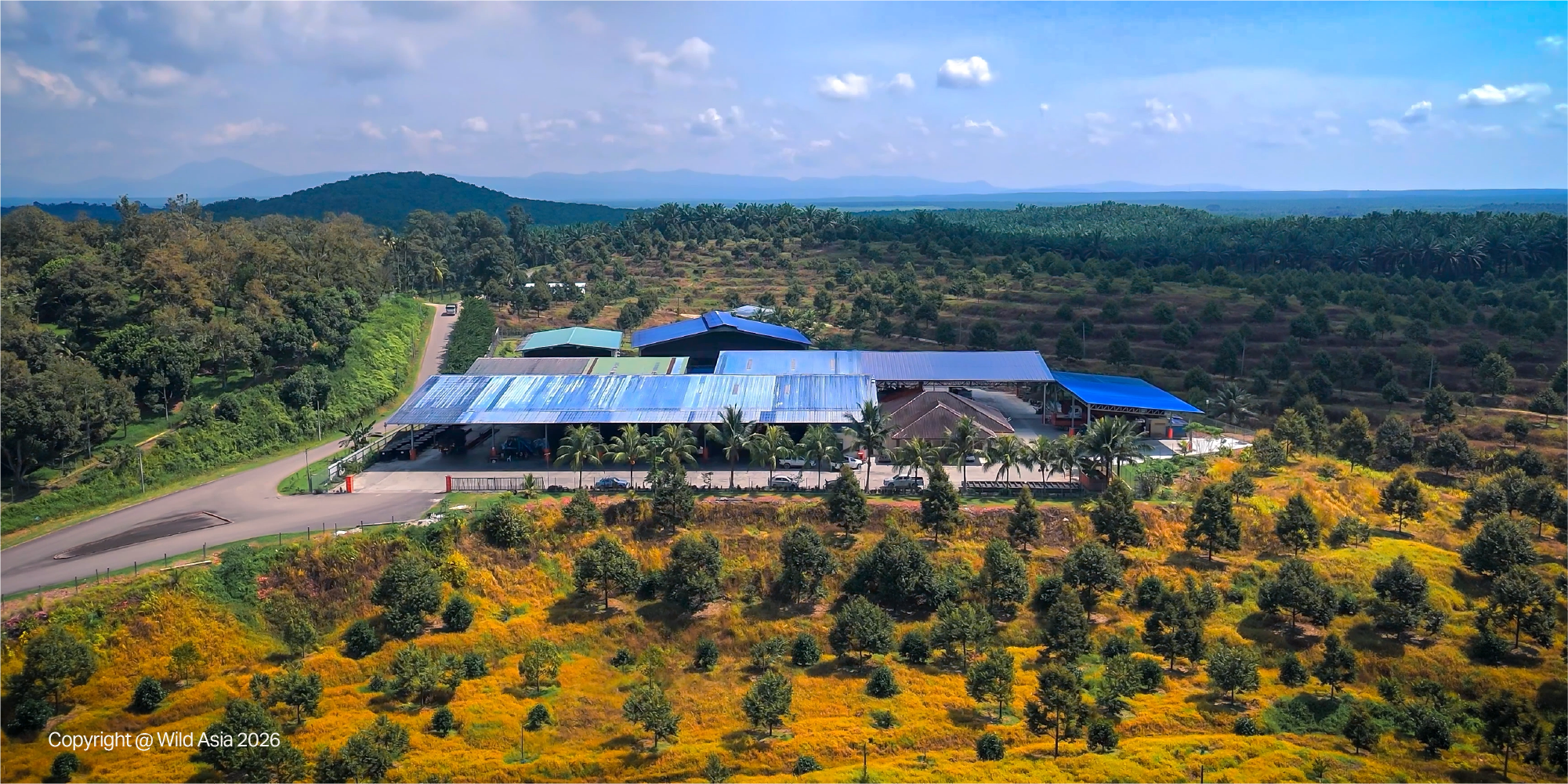
ELH serves as a vital collection point between smallholders and mills in Johor’s certified palm oil supply chain.
In Part 2 of ELH’s story, discover how its role has grown from moving fresh fruit bunches to helping smallholders meet certification, traceability, and global market expectations. Read it in the September 2026 edition of PalmPulse.
Watch the interview to hear directly from the partners and smallholders behind ELH’s journey:
Sources
From Challenges to Opportunities: Legal Reforms for Smallholders in Malaysia's Palm Oil Market
Management of Malaysian Oil Palm Supply Chain: The Role of FFB Dealers