
Holding the Line: Sustaining Malaysia’s Position in China’s Specialty Fats Market

Malaysia shipped USD2.55 billion (RMB17.9 billion) worth of palm products to China in 2025 and remains a key supplier to the country’s specialty fats industry. As competition intensifies, understanding the evolving market landscape will be critical to sustaining Malaysia's leadership.Part 2
The first article examined the opportunities presented by China's specialty fats market, valued at USD16.4 billion (RMB114.85 billion) in 2025 and projected to reach USD22.8 billion (RMB159.59 billion) by 2030. It also highlighted how many of the fastest-growing segments align closely with the functional and technical strengths of Malaysian palm-based ingredients. This second article examines Malaysia's current position within this evolving market, the competitive developments shaping the industry, and the strategic priorities needed to support future growth.
Malaysia’s Position in China’s Specialty Fats Market
Malaysia remains one of China's most important partners in the specialty fats value chain. Bilateral trade reached USD127 billion in 2025, with China remaining Malaysia's largest trading partner for the 17th consecutive year.
Within the vegetable oils sector, Malaysia exported 2.64 million tonnes of palm oil and palm products to China, valued at USD2.55 billion (RMB17.9 billion). These exports comprised 900,000 tonnes of palm oil and 1.74 million tonnes of palm derivatives and other palm-based products. Bulk palm oil and palm kernel oil together accounted for more than half of the total export value.
Malaysia's strongest position remains in the premium segment. In cocoa butter equivalents (CBEs)—a high-value palm-based ingredient used in premium chocolate—China imported approximately 42,000 tonnes in 2024, with Malaysia supplying more than 60% of total imports, making it the leading supplier. Malaysian CBEs are widely used by international chocolate manufacturers and have established a strong reputation in the premium chocolate markets of East and South China.
A More Competitive Market Landscape
While Malaysia continues to hold a strong position across several specialty fats segments, the research indicates that the competitive landscape is becoming increasingly dynamic. In 2024, shares of specialty fats against total palm oil exported from Malaysia to China declined by 3.2 percentage points compared to the previous year.
One driver is the growing presence of Indonesia. As the world's largest palm oil producer, Indonesia exported approximately 8.24 million tonnes of palm products to China in 2025. Supported by FOB prices that were typically 4% to 5% lower than comparable Malaysian products, Indonesian suppliers have strengthened their position in the price-sensitive mid- and lower-tier market segments, particularly among smaller food manufacturers in South and Central China.
Palm Exports to China in 2025—Malaysia versus Indonesia
Figure 1: Palm exports to China in 2025—Malaysia versus Indonesia, in million tonnes (MPOB and Oil World, 2025).
A second driver is domestic substitution. Chinese producers increased their output of high-end specialty fats by 25% in 2024—more than three times the industry's overall growth rate of 8%. Zero-trans-fat bakery fats and plant-based specialty fats expanded even faster, recording growth of more than 30%, reflecting the rapid expansion of domestic manufacturing capacity in higher-value segments. Consequently, China's specialty fats imports declined from 950,000 tonnes in 2020 to 750,000 tonnes in 2024.
This trend is further reinforced by intensifying competition among state-owned enterprises, foreign-invested companies and domestic private manufacturers. China now has more than 200 specialty oils and fats producers, of which 112 recorded annual revenues exceeding USD7.1 million (RMB50 million) in 2024. While foreign-invested companies continue to maintain technical advantages in selected premium applications, domestic producers are steadily strengthening their capabilities through capacity expansion, product innovation and technological upgrading.
Industry consolidation is also reshaping the competitive environment. In 2024, the Concentration Ratio 5 (CR5)—representing the combined market share of the five largest companies—stood at approximately 52.5%, indicating a moderately concentrated market. As consolidation continues, leading domestic manufacturers are expected to further strengthen their market position, making China's specialty fats industry increasingly competitive, technologically advanced and more self-sufficient.
China’s Specialty Fats Import Volume, from 2020 to 2024
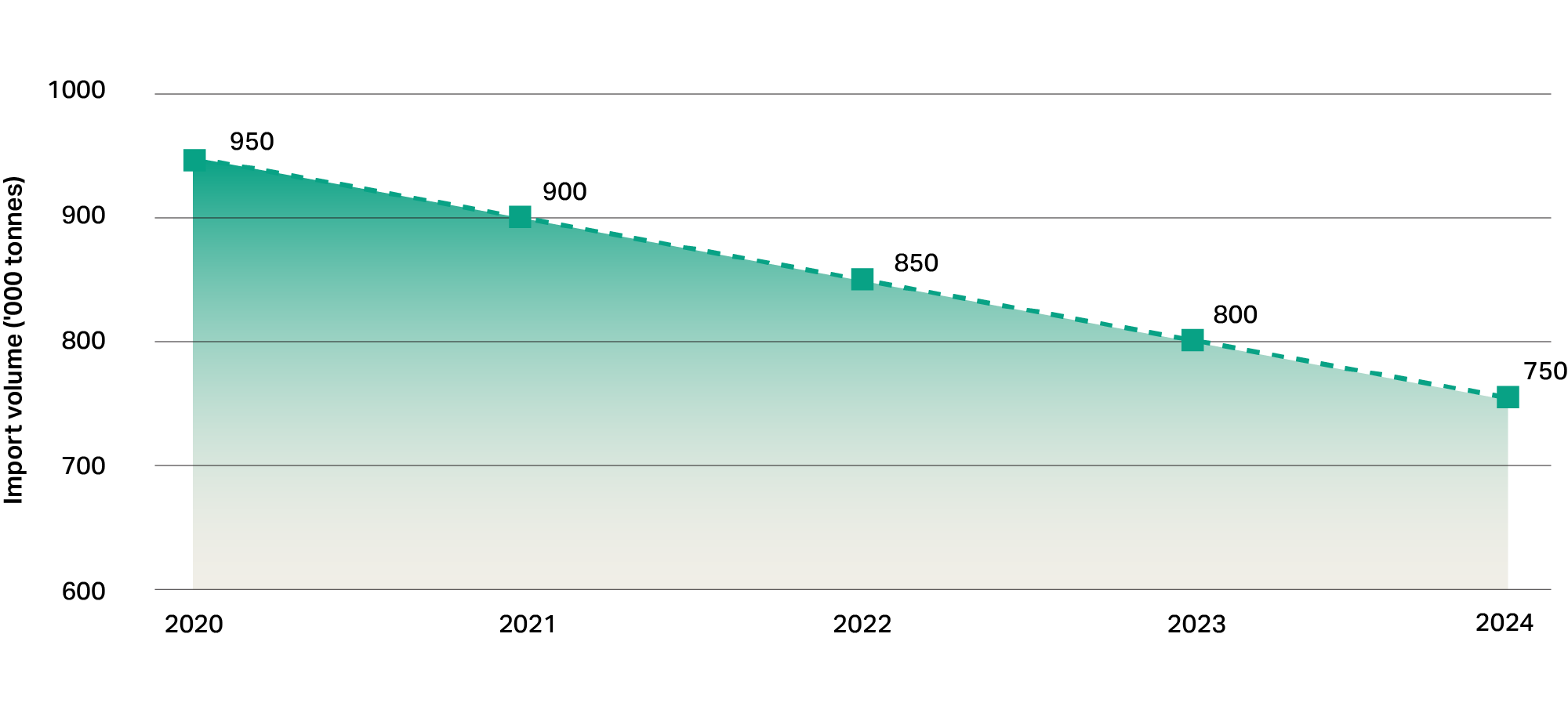
Figure 2: China’s specialty fats import volume, from 2020 to 2024, in ’000 tonnes (HMC Consulting, 2025).
The research also identifies several areas where Malaysian suppliers can further strengthen their competitiveness. While Malaysia has established a strong position in conventional palm-based specialty fats, its product portfolio remains concentrated in standard products, with high-end functional specialty fats accounting for less than 5% of total exports. Expanding innovation in areas such as zero-trans-fat formulations and plant-based functional lipids would better align Malaysian offerings with evolving market demand and support long-term competitiveness.
Competitive Positioning
The competitive landscape in China's specialty fats market is becoming increasingly diverse. Domestic enterprises account for around 60% of the market, led by Yihai Kerry, a subsidiary of Wilmar International, which holds approximately 28% of the baking shortening segment and 22% of the margarine market, while COFCO leads the cocoa butter substitutes segment. Foreign companies such as Bunge, Cargill and AAK continue to maintain strong positions in high-end functional specialty fats, supplying premium products to multinational food manufacturers. Between these segments, imported palm-based specialty fats from Malaysia and Indonesia continue to play an important role, although competition has intensified as domestic capabilities continue to expand.
Market Share of Major Specialty Fats Players in China, 2024
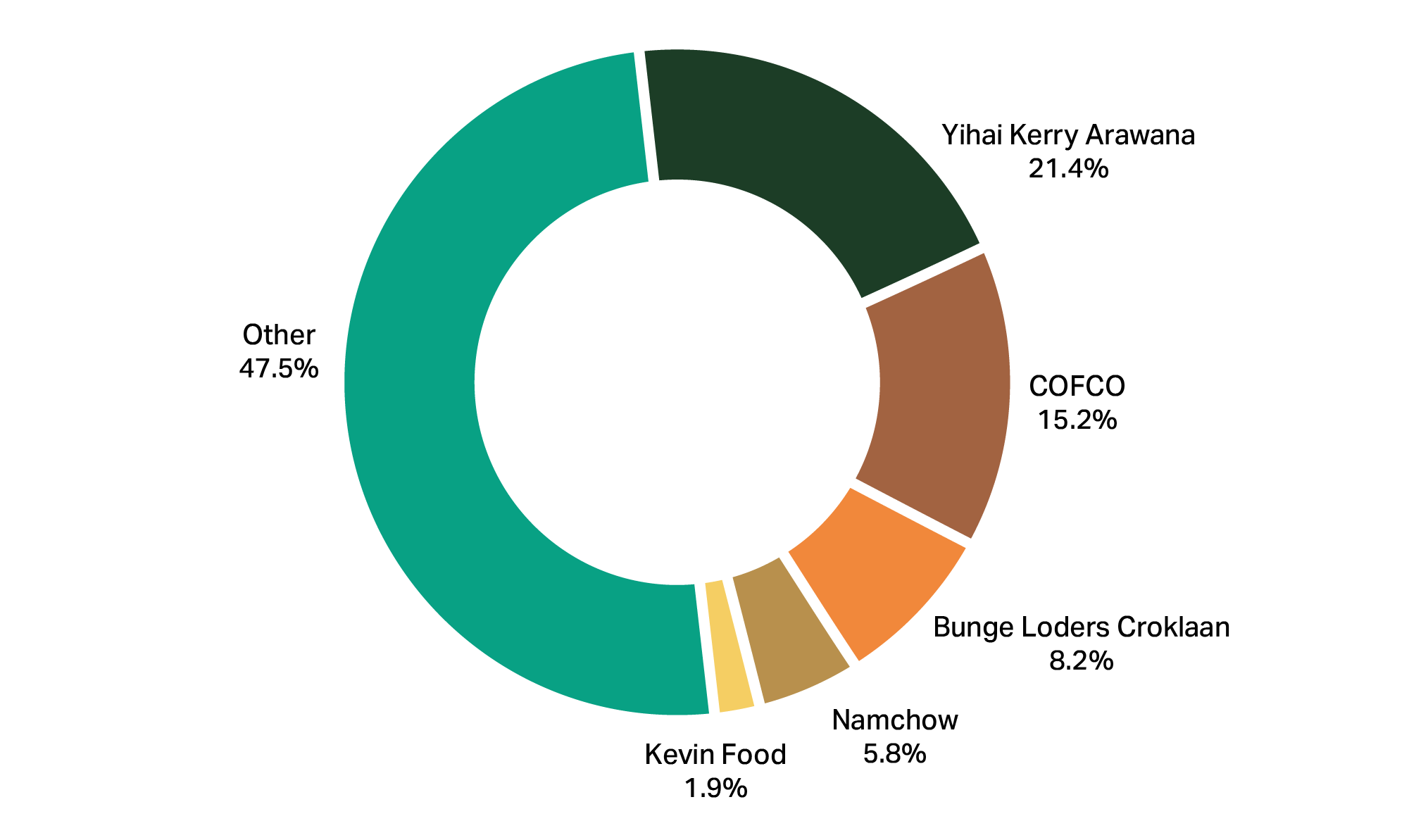
Figure 3: Major specialty oils and fats players in China (HMC Consulting, 2025).
Four Strategic Priorities
Based on its assessment of market developments, the study identifies four broad priorities to strengthen Malaysia's long-term competitiveness in China's specialty fats industry.
1. Expand Higher-Value Product Offerings
The study highlights the importance of broadening Malaysia's portfolio beyond conventional specialty fats by accelerating the development of higher-value products. These include zero-trans-fat solutions, structured lipids, infant nutrition ingredients and application-specific formulations tailored to the needs of different food sectors and regional markets within China.
2. Strengthen Supply Chain Competitiveness
Improving supply chain efficiency is another priority. The study points to opportunities to enhance logistics connectivity, establish strategically located bonded warehousing, and further strengthen traceability and sustainability credentials to improve responsiveness and better support evolving customer requirements.
3. Deepen Industrial Collaboration
The report also recommends expanding collaboration with Chinese industry partners through joint research, technology development and localised processing. Such partnerships would enable Malaysian companies to better understand customer requirements, accelerate product development and strengthen long-term market access.
4. Align with Evolving Policy and Regulatory Requirements
Finally, the study highlights the importance of fully leveraging existing regional trade agreements while maintaining close alignment with China's evolving regulatory framework, including food safety, labelling, sustainability requirements and emerging technical standards.
Market Forces Influencing Malaysia’s Competitiveness in China (2024)
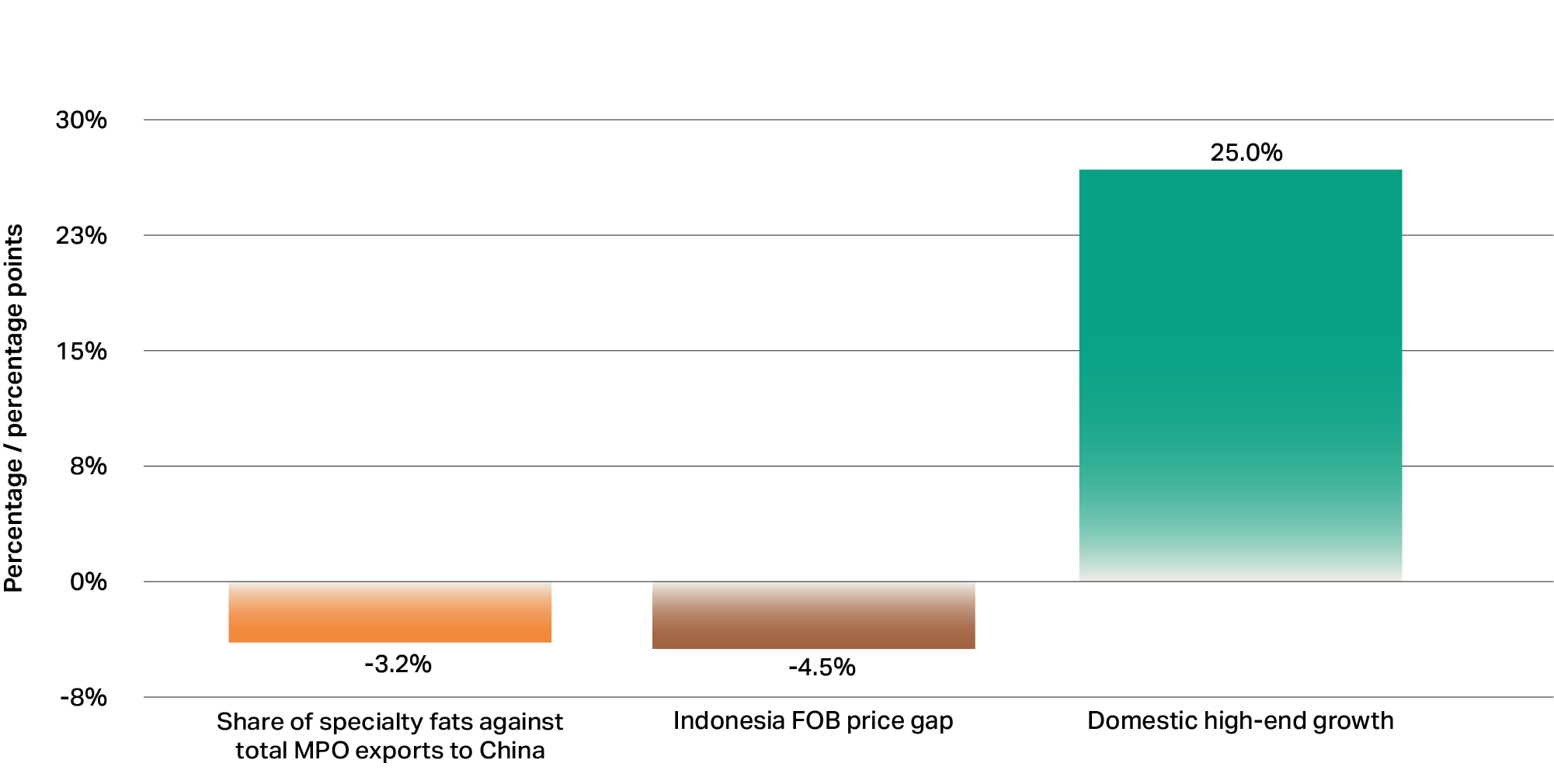
Figure 4: Market forces influencing Malaysia’s competitiveness in China (HMC Consulting, 2025).
Looking Ahead
The study concludes that future competition in China's specialty fats market will increasingly be shaped by product functionality, health attributes, and the ability to deliver integrated customer solutions. Malaysia's abundant palm resources and well-established reputation provide a strong foundation, particularly in premium segments such as cocoa butter equivalents. Sustaining this position, however, will require continued investment in innovation, product differentiation and deeper engagement with the Chinese market.
For Malaysian exporters, the outlook remains positive. China's specialty fats market continues to expand, creating significant opportunities for suppliers that can respond to changing customer requirements. By combining technical innovation, stronger industry partnerships and efficient supply chains with Malaysia's established strengths in quality, reliability, and sustainability, Malaysian companies will be well positioned to capture the next phase of growth in this high-value market.
Note: All figures are converted at USD1 = RMB7.0.
Source: Report on the Development Status and Key Enterprises of China’s Palm-based Specialty Fats Industry (HMC Consulting, December 2025), based on data from MPOB, GAPKI, the General Administration of Customs of China, and relevant national industry associations.