
CPO Prices to Remain Range-Bound at RM4,400 (USD1,076) to RM4,700 (USD1,149) as Firmer Energy Markets Offset Soft Demand
Crude palm oil (CPO) prices traded within a narrow range of RM4,400 (USD1,076) to RM4,700 (USD1,149) per tonne in July, despite heightened volatility in energy markets following the renewed escalation of the US-Iran conflict. Higher crude oil and gasoil prices continued to support vegetable oil markets, particularly soybean oil and palm oil.
In 2026, palm oil and soybean oil are forecast to account for 57% of global biodiesel feedstock consumption, further strengthening the relationship between energy prices and these two major vegetable oils. While firmer energy markets should continue to provide price support, the palm oil market heading into August will also be influenced by following factors:
Potential Production Risk
Malaysia’s palm oil production remained resilient in 1H 2026, supported by an improved oil extraction rate (OER), which reached a decade high of 20.08%. However, if El Nino develops in early 2027, drier weather conditions could weaken the OER and weigh on production.Slower Oilseed Production Growth
Global production growth for the three major oilseeds is forecast to slow in 2026/27 season, increasing by only 16.5 million tonnes from a year earlier. This represents a marked slowdown compared with the average annual increase of 22.7 million tonnes recorded over the past four years.Demand Remains Moderate
Vegetable oil imports into major markets such as India and China remained subdued in June, reflecting slower oils and fats consumption. Despite lower imports, vegetable oil stocks remained elevated, suggesting that end-user demand has yet to recover meaningfully.
A Brief Market Recap
In early 2026, the European Commission adopted a delegated regulation classifying soybean oil as a high indirect land-use change (ILUC) risk feedstock, which would have gradually phased out its use in EU biofuels by 2030. However, on 8 July, the European Parliament voted to reject the delegated regulation.
On 13 July, the European Commission adopted another delegated regulation expanding the scope of the European Union Deforestation Regulation (EUDR) to include additional palm oil derivatives used in oleochemical supply chains. These products are expected to become subject to EUDR requirements from 30 December 2027. However, the delegated regulation must first undergo scrutiny by the European Parliament and the Council before entering into force.
Meanwhile, geopolitical tensions between the US and Iran re-escalated in early July, pushing Brent crude oil prices up by 42% from a low of USD70 to USD100 per barrel by mid-July. Gasoil prices also increased by 41% to USD1,290 per tonne, the highest level in two months.
Malaysia's Palm Oil Supply and Demand for June 2026
Table 1: Monthly statistics of Malaysian palm oil for June 2026 (MPOB, 2026).
Palm Oil Supply and Demand Dynamics in June: Key Changes and Trends
Malaysia’s palm oil production rose by 8.0% month-on-month to 1.63 million tonnes in June 2026, reflecting the seasonal production upcycle that typically begins in March. However, output remained 3% lower than in June 2025, marking the fourth consecutive month of year-on-year decline.
Exports also increased by 6.1% month-on-month to 1.20 million tonnes in June 2026, although volumes remained 4% below those recorded in June 2025. The weaker year-on-year performance reflected softer oils and fats consumption in major markets such as China and India amid the lingering impact of the West Asia conflict.
Nevertheless, cumulative exports in the first half of 2026 increased by 755,000 tonnes or 10.8%, to 7.7 million tonnes, the highest level since 2019.
Malaysia’s palm oil stocks rose to 2.54 million tonnes in June, partly driven by a sharp increase in palm oil imports from Indonesia, which climbed by 60,000 tonnes or 135.5%. The surge may have reflected front-loaded shipments ahead of anticipated export control measures by the Indonesian government.
Looking ahead, export performance is expected to improve from July to September as India replenishes its vegetable oil inventories ahead of the Diwali festive season in November, supported by seasonally lower domestic oilseed production.
India also shifted a larger share of its palm oil imports towards Malaysia in 2026 following Indonesia’s tighter controls on crude palm oil exports through higher export duties. From January to June 2026, Malaysia accounted for 38% of India’s palm oil imports, compared with Indonesia’s 39%, giving Malaysia an almost equal share of the Indian market.
Palm Oil Price Outlook: Firmer Energy Markets Support Prices Despite Moderate Import Demand
Vegetable oil prices in the European market recorded mixed performance in July 2026. Palm oil and soybean oil prices rose by 3% and 6% month-on-month respectively, while sunflower oil and rapeseed oil declined by 1% and 2%. Strong biodiesel demand in the US and Indonesia continues to provide soybean oil and palm oil with a structural price floor.
Malaysia’s palm oil supply outlook remains favourable in the near term. MPOB data showed that production was broadly stable in the first half of 2026, while stocks increased to 2.5 million tonnes in June. The resilience in production was driven primarily by a higher OER.
The average oil extraction rate from fresh fruit bunches (FFB) improved to 20.08% during the first half of 2026, up from 19.45% in the corresponding period last year and the highest level recorded in a decade. The stronger OER was likely supported by favourable rainfall conditions in 2025, which improved the oil content of FFB harvested this year. However, should El Nino develop in early 2027, drier conditions could reduce the OER
and subsequently affect production.
Global oilseed production is expected to continue expanding, although growth in the three major oilseeds is forecast to moderate in the 2026/27 season. Combined soybean, sunflowerseed and rapeseed production is projected to increase by only 16.5 million tonnes from the previous year, well below the average annual increase of 22.7 million tonnes recorded over the past four years (see Figure 1).
Global reliance on soybean oil, sunflower oil and rapeseed oil has increased since 2019 amid tighter exportable palm oil supplies from Southeast Asia. Slower oilseed production growth, together with continued expansion in vegetable oil demand—particularly from the biofuel sector—is expected to keep vegetable oil prices well supported.
Global Soybean, Sunflower and Rapeseed Production Growth Slows Below 4-Year Average
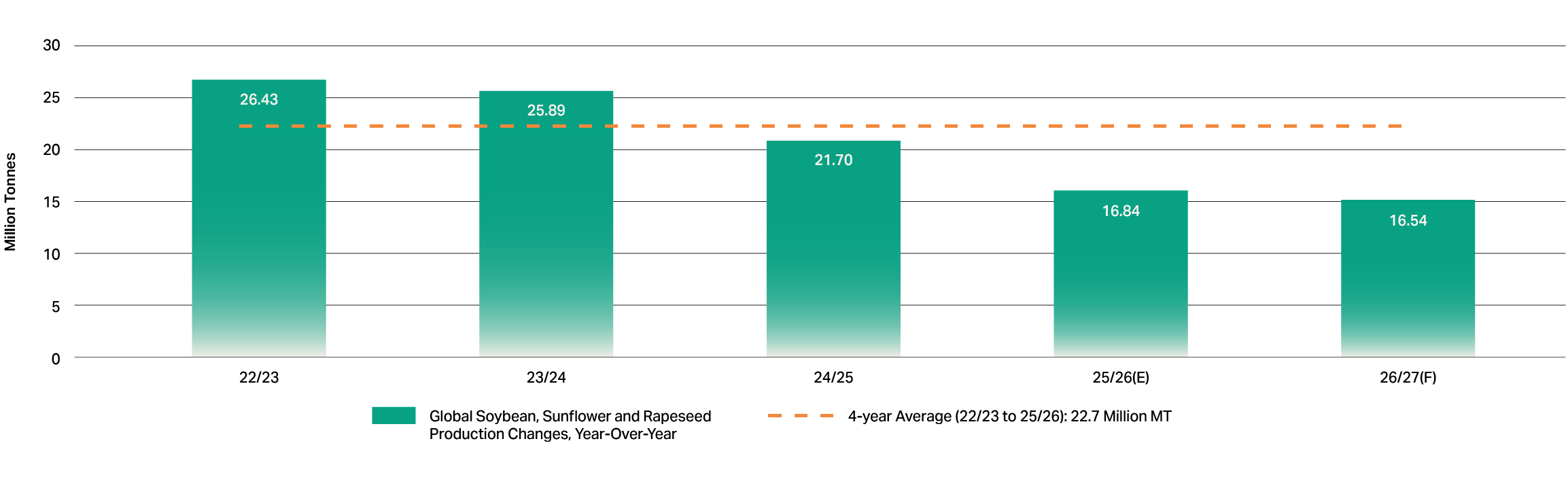
Figure 5: US soybean oil exports (Oil World, 2026).
Despite these supportive longer-term fundamentals, near-term vegetable oil demand remains moderate across major importing markets. Vegetable oil stocks in India remained elevated despite lower imports, indicating that consumption continues to be constrained by inflationary pressures.
Nevertheless, seasonal restocking ahead of Diwali is expected to provide some support to demand, as India typically imports around 30% of its annual vegetable oils requirements between July and September. Palm oil remains the most competitively priced major vegetable oil, placing it in a favourable position to benefit from this seasonal restocking cycle.
Looking ahead, crude palm oil prices are expected to trade within a range of RM4,400 (USD1,076) to RM4,700 (USD1,149) per tonne in August. Prices are expected to remain supported by Indonesia’s B50 biodiesel implementation, firmer energy markets and improved biodiesel economics. Renewed US-Iran tensions pushed gasoil prices up by 41% between early and mid-July, lifting gasoil prices above both palm oil and soybean oil. However, further upside is likely to be limited by softer demand and elevated vegetable oil inventories in major consuming markets.
Exchange Rate: USD1 = RM4.09