
Palm Oil Enabling the Next Generation of Plant-Based Meat

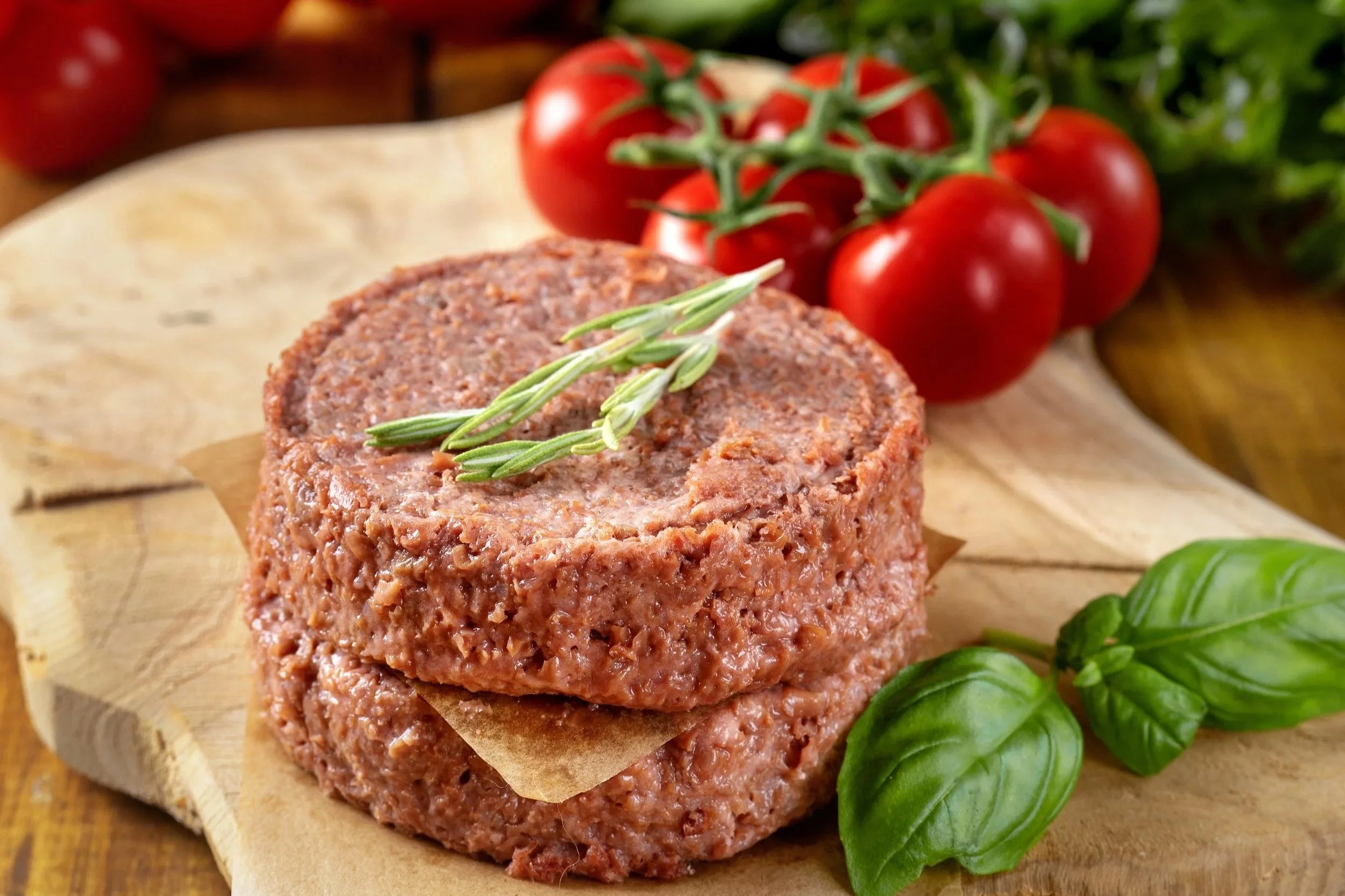
The global demand for plant-based meat continues to accelerate as consumers increasingly seek food choices that align with sustainability, health, and evolving lifestyle preferences. What was once considered a niche category has rapidly grown into a mainstream food segment, driven by consumers who want alternatives that not only reduce environmental impact, but also deliver the taste, texture, and eating experience of conventional meat.
Despite the rapid growth of the industry, one of the biggest challenges in plant-based meat development remains the ability to recreate the sensory qualities of meat, particularly its juiciness, tenderness, mouthfeel, and flavour release⁽¹⁾⁽²⁾. Achieving these characteristics requires more than protein alone. While plant proteins form the structural backbone of meat analogues, fats play an equally critical role in defining overall product quality and consumer acceptance⁽³⁾.
In plant-based meat systems, proteins are responsible for creating the fibrous, meat-like structure, while carbohydrates support water binding, texture stability, and matrix formation⁽⁴⁾. Fats, however, are the component that largely determines eating quality. They contribute to lubrication, succulence, flavour delivery, tenderness, and thermal behaviour during cooking⁽⁵⁾. The selection of the right fat system therefore becomes a key factor in determining whether a product can successfully mimic the sensory experience of meat.
As the market continues to evolve, there is growing interest in fat systems that can deliver both functionality and sustainability. In this context, palm oil presents strong potential as a versatile and functional solution for plant-based meat application⁽⁶⁾⁽⁷⁾⁽⁸⁾.
The Growing Market for Plant-Based Meat
The plant-based meat sector has emerged as one of the fastest-growing segments in the global food industry. Market analyses estimate that the global meat substitute market was valued at approximately USD7.17 billion in 2023 and is projected to reach USD24.77 billion by 2030, growing at a CAGR of 19.4% from 2024 to 2030⁽⁹⁾.
This growth is driven by several factors, including increasing awareness of environmental sustainability, concerns over animal welfare, rising interest in flexitarian diets, and growing demand for alternative protein sources. In addition, consumers are increasingly seeking plant-based products that can deliver sensory qualities comparable to conventional meat, including texture, juiciness, flavour, and overall eating experience.
Despite this strong growth trajectory, replicating the sensory experience of real meat remains a significant challenge. Achieving the desired texture, juiciness, flavour, and appearance requires careful formulation of both protein and fat systems. At the heart of this challenge lies the design of effective fat components.
Why Fat Matters in Meat Analogues
In conventional meat products, fat contributes significantly to juiciness, tenderness, flavour release, and mouthfeel. Fat also helps lubricate muscle fibres during chewing and improves the overall palatability of meat products. Plant-based meat products must replicate these characteristics to achieve consumer acceptance. Without a properly designed fat system, plant-based products can appear dry, crumbly, or lack the richness typically associated with meat. To overcome this challenge, manufacturers combine plant proteins with carefully selected vegetable fats to recreate the sensory attributes of meat⁽¹⁾⁽³⁾.
Palm Oil as a Functional Fat Solution
Palm oil offers several unique functional properties that make it well suited for plant-based meat applications. Unlike many vegetable oils that are fully liquid at room temperature, palm oil is naturally semi-solid due to its balanced composition of saturated and unsaturated fatty acids. This characteristic allows it to provide structural functionality similar to animal fat without requiring solidification.
As a result, palm-based fats can help create the firmness, bite, and mouthfeel needed in plant-based meat products while remaining trans-fat free.
Versatility Through Fractionation
One of the key advantages of palm oil lies in its versatility. Through fractionation, palm oil can be separated into different components with varying melting properties.
These fractions include:
• Palm olein—the liquid fraction commonly used in cooking oils
• Palm stearin—the solid fraction with higher melting points
• Palm mid fraction (PMF)—specialised fat used in structured fat systems
This diversity allows food manufacturers to tailor fat functionality to suit specific applications, including plant-based meat formulations.
For example, palm stearin can provide the solid fat structure needed to mimic animal fat particles, while palm olein can help improve juiciness and flavour release.
Mimicking Animal Fat Properties
Palm oil also shares several physical characteristics with traditional animal fats such as lard and tallow. This similarity allows it to function effectively as an animal fat replacer in processed food applications.
Studies have shown that blends of palm oil fractions can be used in meat products such as frankfurters and patties while maintaining desirable texture and sensory attributes. These findings highlight the potential of palm-based fats in recreating the functional role of animal fat in plant-based meat systems⁽⁷⁾⁽⁸⁾.
This Article Will Be Continued in the Next Issue as Part 2
Meet the Author
Nur Azwani Ab Karim is a Chief Scientist at the SD Guthrie Technology Centre Sdn. Bhd., specialising in oils and fats innovation for food applications. Her expertise focuses on fat functionality, formulation development, and advanced lipid systems to enhance product performance and processing efficiency across food applications.
nur.azwani.ab.karim@sdguthrie.com