
Palm Oil in the Philippines: Supporting Growth in the Baked Goods Market
The Philippines remains one of the most important palm oil markets in ASEAN and a key destination for Malaysian palm oil exports. The country relies heavily on imported oils and fats to meet the needs of food manufacturing, household consumption and foodservice use. Among these, palm oil continues to hold a strong position due to its affordability, consistent supply and wide range of applications.
One segment that presents clear growth potential for palm oil is the baked goods market. Bakery products are a daily staple in the Philippines, with bread, cakes, pastries, biscuits and other baked snacks consumed across all income groups. Demand is supported by urbanisation, evolving lifestyles and a continued preference for affordable, convenient food.
Market Overview: Philippines’ Baked Goods Sector
In 2025, sales of baked goods in the Philippines grew by 7.4% to USD1.33 billion. The sector is projected to expand further at a compound annual growth rate (CAGR) of 6.35% from 2026 to 2030, reflecting its resilience and continued importance within the country’s consumer food market.
Sales of Baked Goods in the Philippines
Figure 1: Sales of baked goods in the Philippines (Euromonitor, 2026).
Bread will remain the mainstay of the sector, but future growth is also expected to come from pastries, cakes and other higher-value products. This shift is already evident in the strategies of major bakery players. Goldilocks, for example, is expanding its bakeshop network while broadening its range of unpackaged cakes, including more indulgent offerings targeted at celebrations and premium occasions. Gardenia continues to strengthen its packaged bakery segment through product refreshes and improved shelf presence, while Fuwa Fuwa has tapped into convenience stores with new packaged bun launches aimed at impulse purchases in urban areas.
Sales of Baked Goods by Category in the Philippines

Table 1: Sales of baked goods by category in the Philippines (Euromonitor, 2026).
These developments point to a market that is becoming increasingly dynamic and diversified. Beyond traditional bread products, demand is rising for premium pastries, artisanal items, cream-filled products and confectionery-related baked goods. For ingredient suppliers, this is significant, as more sophisticated bakery products require fats and oils that can deliver specific technical functions, from texture and aeration to shelf stability and mouthfeel.
Company Share of Baked Goods

Figure 2: Share of baked goods by companies in the Philippines (Euromonitor, 2026).
Malaysian Palm Oil Presence in the Philippines
The Philippines has consistently ranked among the leading importers of Malaysian palm oil within ASEAN. Palm oil plays an important role in the local oils and fats market, as domestic alternatives are limited in their ability to meet the requirements of large-scale food processing. Although coconut oil is produced locally, a significant portion is directed towards export markets, leaving palm oil to fulfil domestic demand.
Palm oil is widely used across household cooking, food manufacturing and foodservice applications. Its role is particularly evident in sectors such as instant noodles, snacks, bakery products, confectionery, frying applications and margarine production. Refined, bleached and deodorised (RBD) palm olein remains the main Malaysian product exported to the Philippines, alongside RBD palm oil and other value-added palm-based products. Together, these support a wide range of downstream applications, including bakery and confectionery manufacturing.
Malaysian Palm Oil Export to the Philippines

Table 2: Malaysian palm oil exports to the Philippines (MPOB,2026).
Malaysian Finished Palm Products Export to the Philippines

Table 3: Malaysian finished palm products export to the Philippines (MPOB, 2026).
Palm stearin fractions are commonly used as hard stock in margarine, shortening and dry mix products. Palm kernel oil derivatives are also important, particularly in cream biscuits, confectionery coatings, icings and other specialty fat applications that require specific melting profiles and textures.
The growing use of these products reflects the increasing sophistication of the Philippines’ baked goods and confectionery sector, where manufacturers are seeking ingredients that combine performance, consistency and cost efficiency.
Functional Role of Palm Oil in Bakery Applications
Palm oil is well suited to the technical requirements of commercial baking. Fats play a critical role in determining texture, volume, crumb softness, flakiness and shelf life, and palm-based ingredients can be tailored to meet these requirements across different product categories.
In bread production, palm-based shortenings and margarine help improve dough handling and overall eating quality. In cakes and pastries, specialty fats contribute to tenderness, aeration and consistency. In biscuits and cookies, palm fractions help achieve the desired structure and bite. Palm kernel-based ingredients are also widely used in fillings, wafers, coatings and confectionery-style bakery products.
This functional versatility has made palm oil increasingly relevant as manufacturers seek ingredients that support efficient large-scale production without compromising product quality. Its suitability for trans-fat-free formulations further enhances its appeal in modern bakery applications.
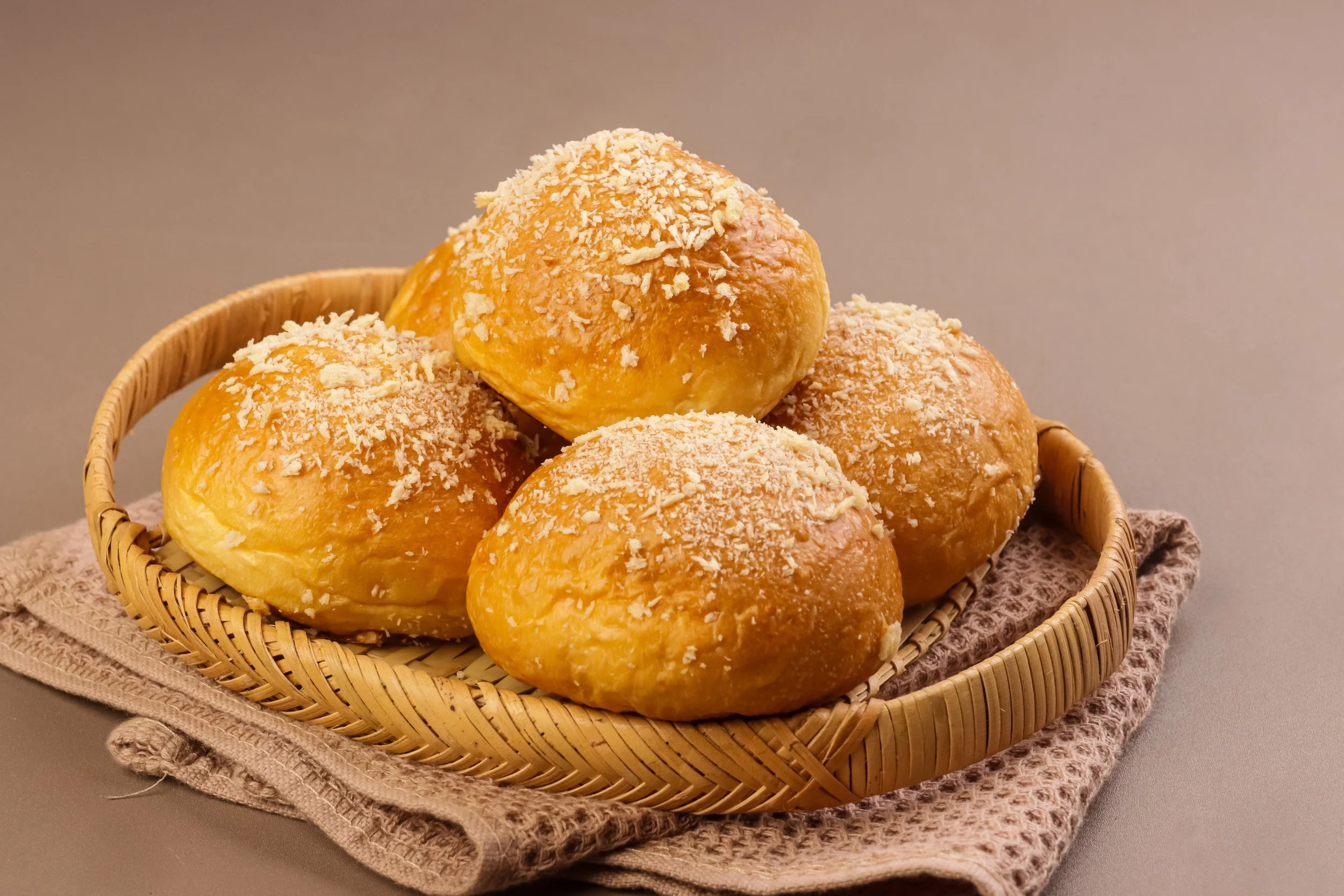
Pandesal, A Classic Filipino Bread Roll
Growth Drivers Shaping the Philippines’ Bakery Sector
Several factors continue to support the expansion of the bakery sector in the Philippines. A growing and increasingly urban population underpins demand for daily staples such as bread and bakery snacks, while busy lifestyles are driving greater consumption of ready-to-eat and convenient food products.
The expansion of bakery chains, cafés, convenience stores and supermarkets has also improved access to a wider range of baked goods. At the same time, rising interest in premium and indulgent products is pushing the market beyond low-cost staples into higher-value segments such as pastries, cakes and cream-based items. For manufacturers, this translates into stronger demand for fats and oils that can deliver both functionality and cost efficiency.
Outlook and Opportunities
The Philippines’ growing baked goods market presents strong opportunities for Malaysian palm oil and palm-based ingredients. Bakery products remain an essential part of the Filipino diet, while the market itself continues to diversify, with increasing demand for both staple bread and higher-value baked products.
As the sector expands, the need for reliable, functional and cost-effective fats will continue to grow. In this context, Malaysian palm oil is well positioned to support the evolving requirements of the Philippines’ bakery and confectionery industry.