
Malaysian Palm Oil: A Key Ingredient for Sustainable Growth in Türkiye’s Expanding Plant-Based Dairy Sector
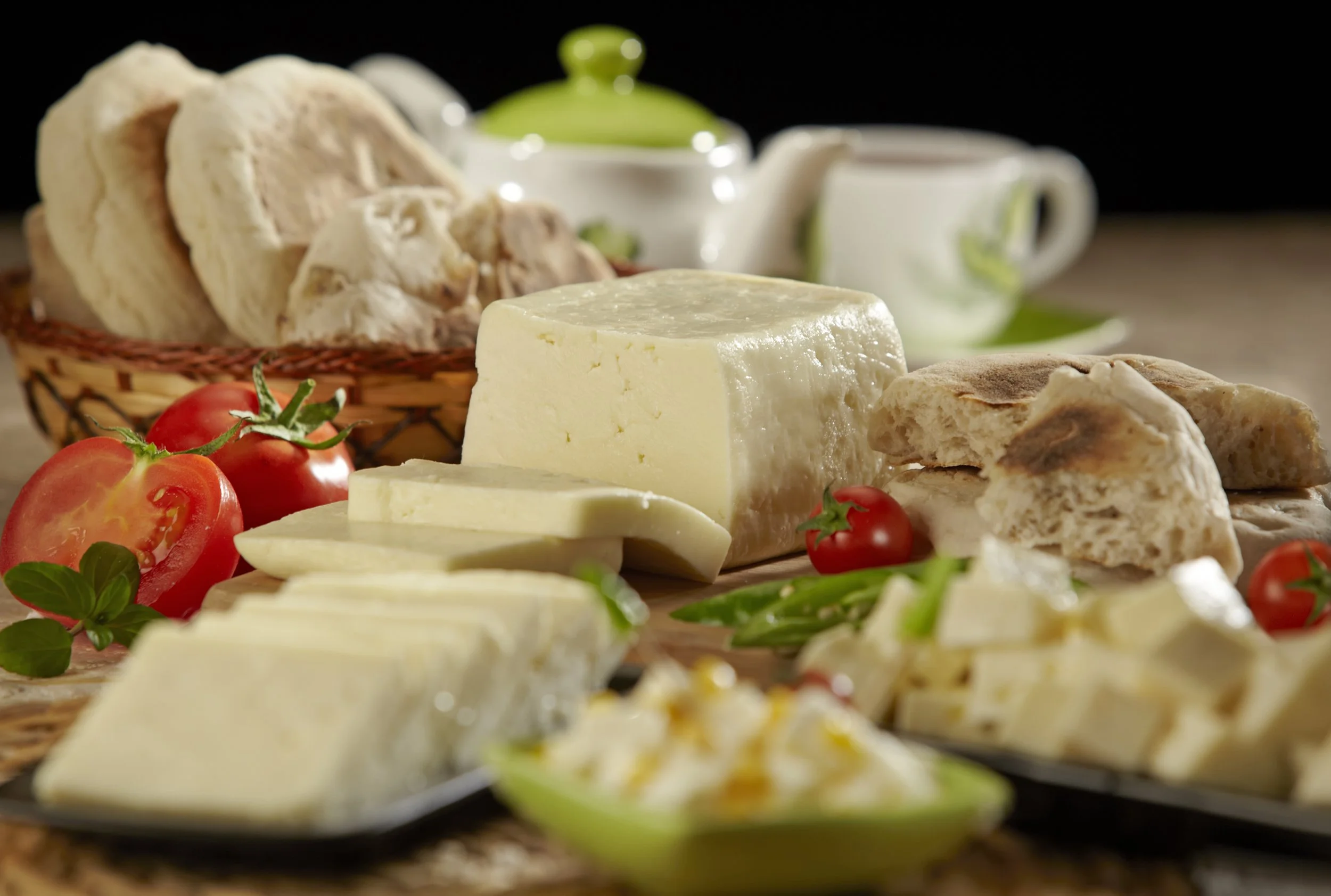
With its neutral flavour profile, versatile functionality and strong sustainability credentials under the Malaysian Sustainable Palm Oil (MSPO) certification, Malaysian palm oil is uniquely positioned to support Türkiye’s rapidly evolving plant-based dairy ecosystem.The Turkish food industry is quietly undergoing a remarkable transformation. Long known for its deep-rooted dairy traditions—from thick, creamy yoghurt to the beloved beyaz peynir (white cheese)—the country is now embracing a new chapter: plant-based dairy.
What began as a niche trend among vegans and health enthusiasts has grown into one of Türkiye’s most dynamic food categories. This shift is being driven by evolving lifestyles, rising environmental consciousness and an increasing focus on health and nutrition. According to Euromonitor, retail sales of plant-based dairy in Türkiye climbed 57% in 2025, reaching TRY1.1 billion (USD26.20 million). The category is forecast to expand at a 20% compound annual growth rate (CAGR) through 2030, potentially reaching TRY2.8 billion (USD66.74 million). This rapid growth positions Türkiye as one of the most promising emerging markets for plant-based innovation in the wider region.
As demand accelerates, the spotlight is now on reliable, functional and sustainable ingredients capable of delivering both quality and consistency. This is where Malaysian palm oil stands out—not merely as a raw material, but as an essential building block for the next generation of plant-based dairy products. With its neutral flavour profile, versatile functionality and strong sustainability credentials under the Malaysian Sustainable Palm Oil (MSPO) certification, Malaysian palm oil is uniquely positioned to support Türkiye’s rapidly evolving plant-based dairy ecosystem.
Türkiye’s Plant-Based Dairy Market at a Turning Point
Despite its strong dairy heritage, Türkiye’s consumers are increasingly open to plant-based alternatives. The momentum is fuelled by three key forces: health, ethics and sustainability. The market is rapidly expanding beyond soy or almond milk to include oat, hazelnut and coconut-based beverages—and more recently, a thriving segment of plant-based cheese. In 2025 alone, sales of plant-based cheese surged 75% year-on-year to TRY282 million (USD6.72 million), according to Euromonitor. A few years earlier, this category was barely present.
Local innovators such as Trakya Çiftliği, Cheezmir and Orfa are now offering vegan versions of Turkish classics like beyaz peynir and kasar (cheese), using plant-derived oils and proteins to replicate the taste and texture of dairy. Behind this evolution lies a broader cultural and generational shift. Millennials and Gen Z consumers are particularly drawn to products that are clean-label, lactose-free and environmentally responsible. Their choices are increasingly shaped by three motivations:
• Health: Fortified products containing vitamins, calcium and protein appeal to those pursuing proactive wellness.
• Ethics: Concerns over animal welfare and the carbon footprint of livestock farming are encouraging shifts toward
vegan or flexitarian lifestyles.
• Sustainability: With the Mediterranean region facing drought and climate pressures, sustainable food systems are under growing scrutiny.
Major retailers like Migros, Carrefour and Macrocenter have expanded their vegan and “healthy living” shelves, while online platforms including Trendyol and Getir are widening access to niche brands. Supermarkets still dominate sales, but e-commerce now represents more than a third of purchases— demonstrating how digital-savvy consumers are reshaping the market.
What sets Türkiye apart is the speed of innovation and localisation. The market is not merely adapting Western plant-based concepts; it is creating culturally relevant formats. Companies are testing oat-based ayran (a traditional salted yoghurt drink) and vegan versions of beyaz peynir, crafted from nut and coconut oils to satisfy local preferences. Functionality is becoming a critical differentiator. Products enriched with calcium, vitamin B12 or probiotics are gaining traction, especially among urban consumers. The fusion of health benefits and indulgent taste now defines modern Turkish food culture —where eating well does not mean sacrificing enjoyment.
However, to deliver such innovation consistently, manufacturers need ingredients that balance texture, taste and nutrition while meeting sustainability and cost targets. This is precisely where Malaysian palm oil and its derivatives can play a transformative role.
Palm Oil: The Functional Backbone of Plant-Based Dairy
The success of plant-based dairy relies heavily on the quality of its fats and oils, which determine everything from creaminess and mouthfeel to melting behaviour and product stability. Malaysian palm oil is already a trusted ingredient in the global food industry for these characteristics, and it holds strong potential to underpin Türkiye’s plant-based dairy expansion.
Palm oil provides a stable fat base that closely mimics the richness of dairy fat. In cheese alternatives, palm-based fats can replicate the melt and stretch of traditional cheese without the need for partial hydrogenation, which produces trans fats. For plant-based milks and creamers, palm mid-fractions help achieve the smooth texture consumers associate with full-fat dairy.
Given Türkiye’s extensive retail networks and variable storage conditions, product stability is essential. Palm oil’s oxidative stability ensures longer shelf life and consistent flavour which is crucial for ready-to-drink and long-life plant-based beverages.
Through advanced processing techniques such as fractionation and interesterification, Malaysian palm oil can be customised to deliver different melting points and textures. This flexibility makes it suitable for yoghurts, cheeses, spreads and creamers. Palm kernel oil derivatives, meanwhile, offer excellent aeration and emulsification properties.
Palm oil also contains natural Vitamin E tocotrienols and carotenoids, contributing to its nutritional value. When sourced from MSPO-certified producers, it supports ethical, traceable and environmentally responsible production—aligning with the sustainability expectations of both Turkish consumers and international brands.
Driving the Next Wave of Plant-Based Growth with Malaysian Palm Oil
Türkiye’s plant-based dairy sector is at a critical turning point. With forecasted annual growth of 20% through 2030, the market is transitioning from early adoption to mainstream acceptance. Local innovators like Trakya Çiftliği are competing alongside global players such as Danone Alpro, creating a vibrant, fast-evolving ecosystem. However, challenges remain—from raw material volatility and supply chain costs to the need for consistent ingredient performance.
Here, partnerships with Malaysian suppliers could unlock significant value. Palm-based fats and oleochemicals offer cost-effective, scalable solutions to the technical demands of plant-based formulations. Their functionality enables Turkish producers to develop affordable, high-quality products that can compete globally.
Sustainability is becoming a non-negotiable factor, particularly as the EU tightens regulations on deforestation-free supply chains. Turkish manufacturers exporting to Europe will require traceable and certified ingredients. MSPO-certified Malaysian palm oil can support compliance with these standards while strengthening brand trust. Palm oil’s land-use efficiency—yielding up to four times more oil per hectare than other oil crops —further underscores its sustainability advantage. For an import-reliant country like Türkiye, sourcing from responsible Malaysian producers supports both environmental and economic objectives.
The outlook for Türkiye’s plant-based dairy market is exceptionally bright. Retail sales are expected to more than double by 2030, with plant-based cheese leading the way at over 30% annual growth. As competition intensifies, success will hinge on superior taste, clean labels and strong sustainability credentials.
Malaysia can play a catalytic role in this evolution. Through trade engagement, joint R&D and technology sharing, the Malaysian palm oil industry can help Turkish manufacturers accelerate product development—from fortified milks and spreads to localised vegan cheese and yoghurt innovations. Both nations bring complementary strengths: Türkiye’s vibrant consumer market and manufacturing expertise, and Malaysia’s leadership in sustainable ingredient production. Together, they can set a new benchmark for ethical, high-quality plant-based nutrition.
The rise of plant-based dairy in Türkiye is more than a trend; it reflects shifting values and a global movement towards sustainable living. As this transformation continues, the role of trusted, high-performance ingredients becomes ever more important. Malaysian palm oil stands ready to support that journey, helping shape the next generation of plant-based innovation—nourishing people, supporting the planet and advancing a more sustainable future.